

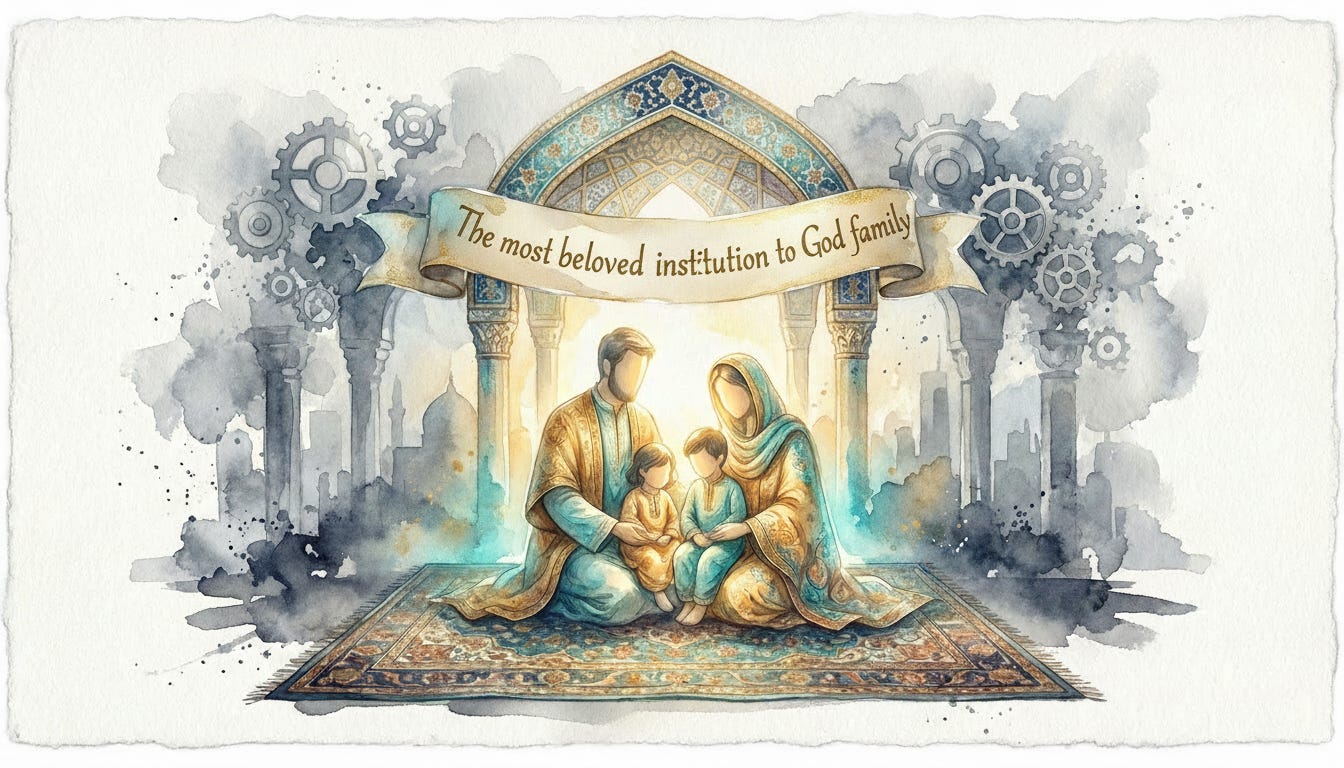
In contemporary society, many claim to understand the importance of family, yet few truly grasp its profound spiritual significance. While the Prophet Muhammad (peace be upon him and his family) declared that after Islam, the most beloved institution to God is the family, our laws, regulations, and social systems often fail to reflect this divine priority. This disconnect between theoretical acknowledgment and practical implementation reveals a fundamental misunderstanding of the family’s role in spiritual development.
Video:
Audio:
Original Audio from Sheikh Ali Reza Panahian’s Website
The Spiritual Mission of the Family
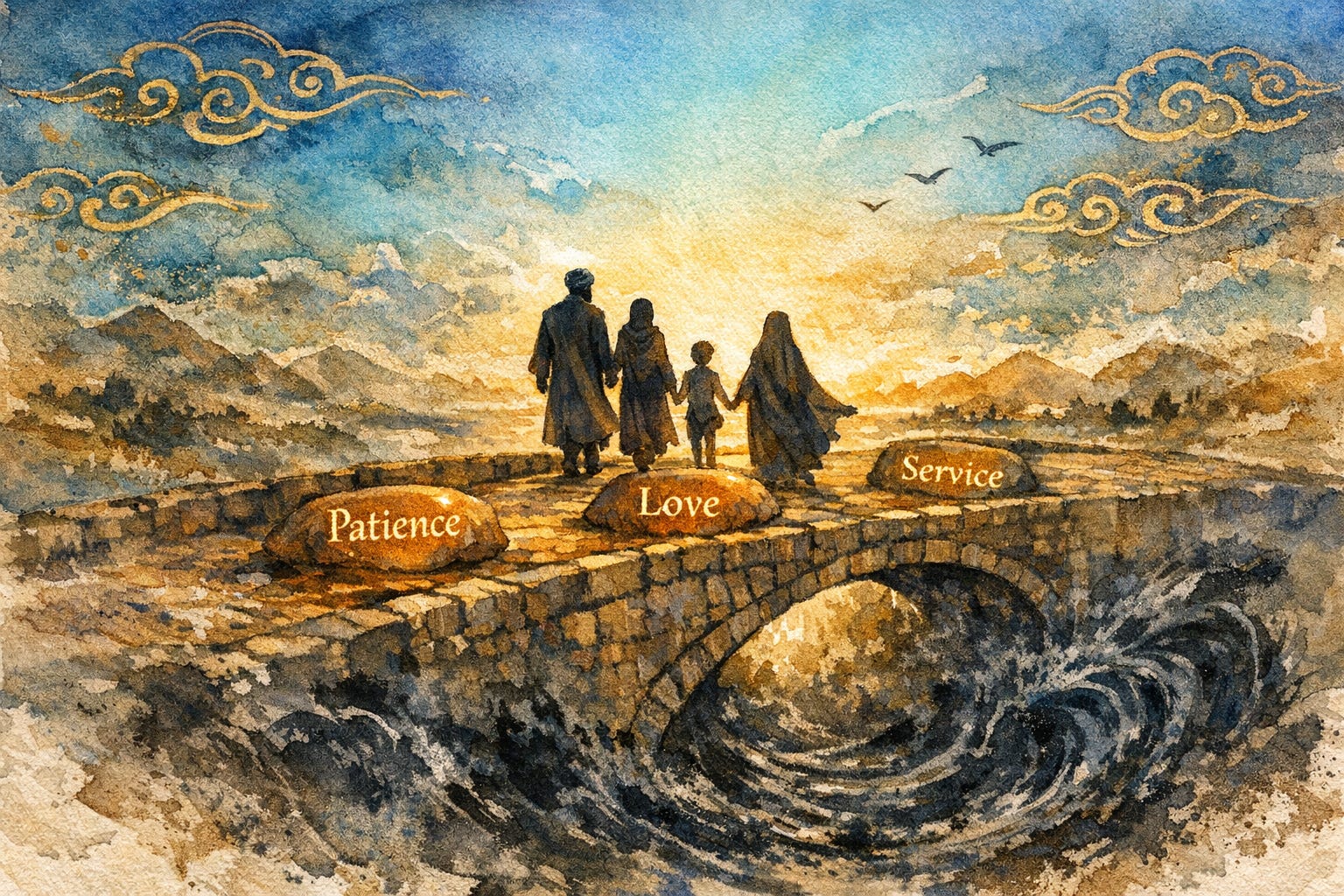
The family is not merely a social unit for comfort and success; it serves as the primary training ground for developing wilayah (spiritual guardianship) and preparing souls for the hereafter. When we speak of a successful family, we must move beyond worldly definitions to embrace a more profound understanding: a family where members help each other pave the path to paradise through their daily interactions.
Say: I do not ask of you any reward for it but love for my near relatives
— Quran, Surah Ash-Shura, Chapter 42, The Council, Verse 23
This Quranic verse highlights how love for the Prophet’s family becomes a transformative force that can overcome the most powerful negative influences on one’s character and spirituality. The connection between family relationships and devotion to the Ahl al-Bayt (the Prophet’s household) is not coincidental but fundamental to Islamic spirituality.
Gender Roles and Spiritual Responsibilities
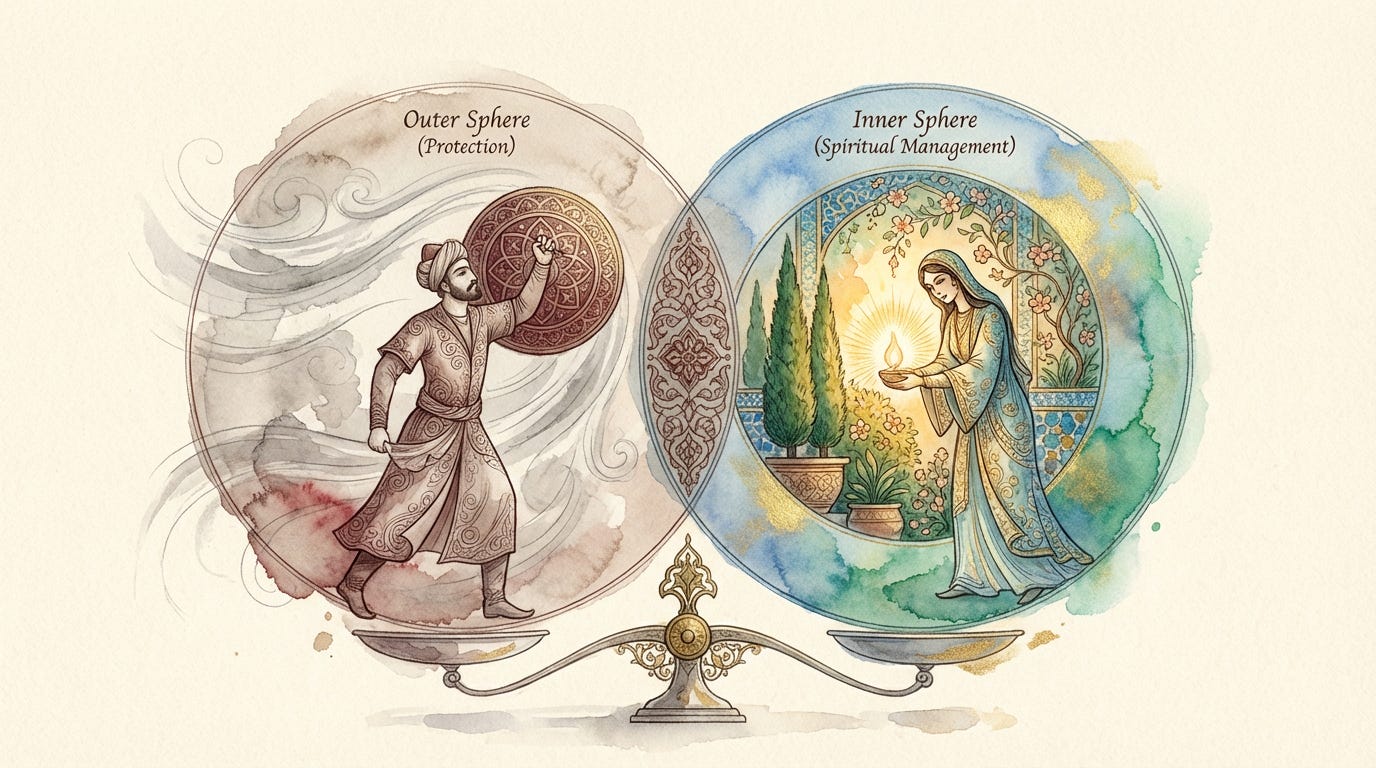
Islamic teachings recognize distinct yet complementary roles for men and women in the family structure, based not on discrimination but on the unique spiritual and psychological strengths given to each gender. The Prophet (peace be upon him) taught that while women have rights over their husbands, husbands have greater rights over their wives. This apparent imbalance reflects a deeper truth: those with greater spiritual capacity bear greater responsibility.
Men’s primary test: 30% within the family, 50% outside the home
Women’s primary test: 70% within the family, 30% outside
Women possess stronger spiritual resilience in certain areas
Greater responsibility indicates greater divine trust in one’s capabilities
The Philosophy of Hijab
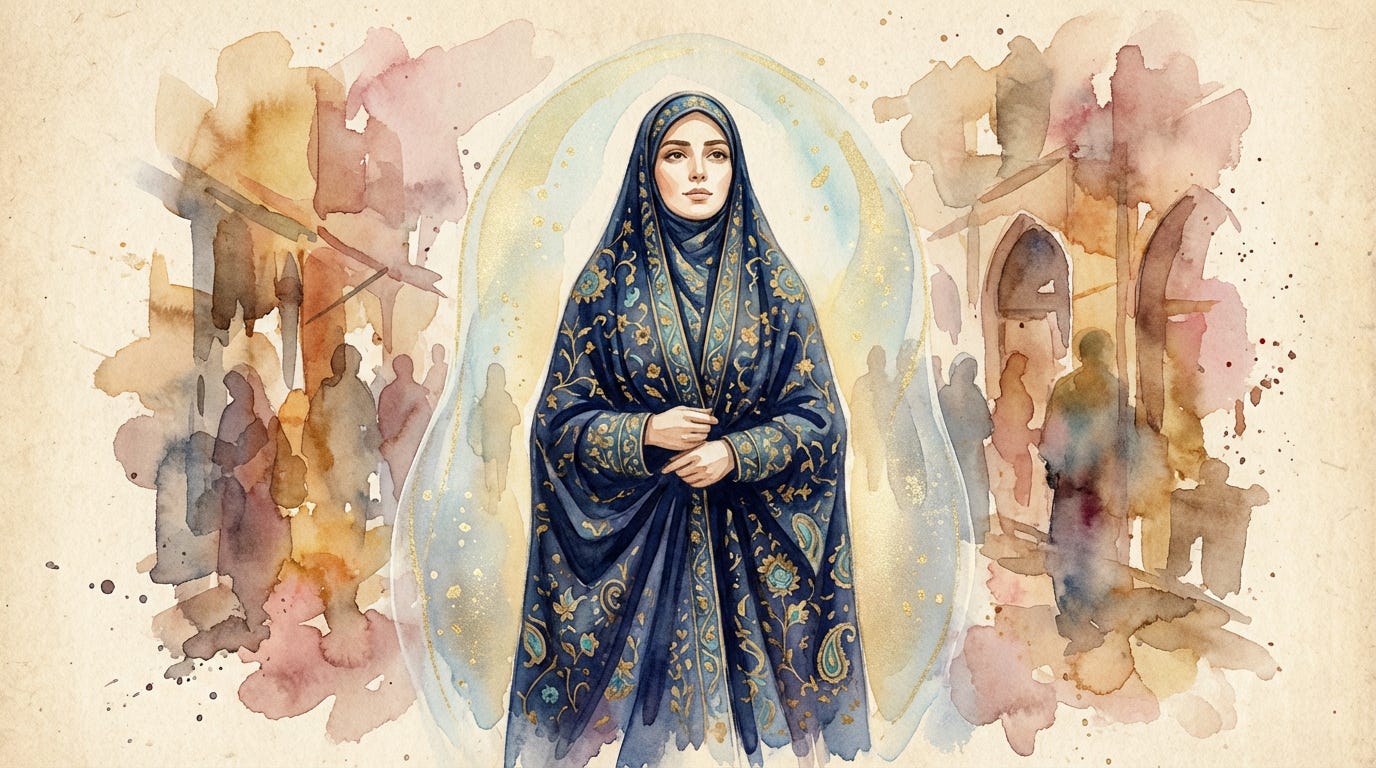
The Islamic dress code exemplifies this principle of proportionate responsibility. Women are entrusted with managing male-female interactions through modest dress precisely because they possess greater spiritual strength in this domain. Hijab represents not subjugation but empowerment - a manifestation of women’s ability to guide and manage social relationships with wisdom and dignity.
Practical Guidelines for Family Harmony
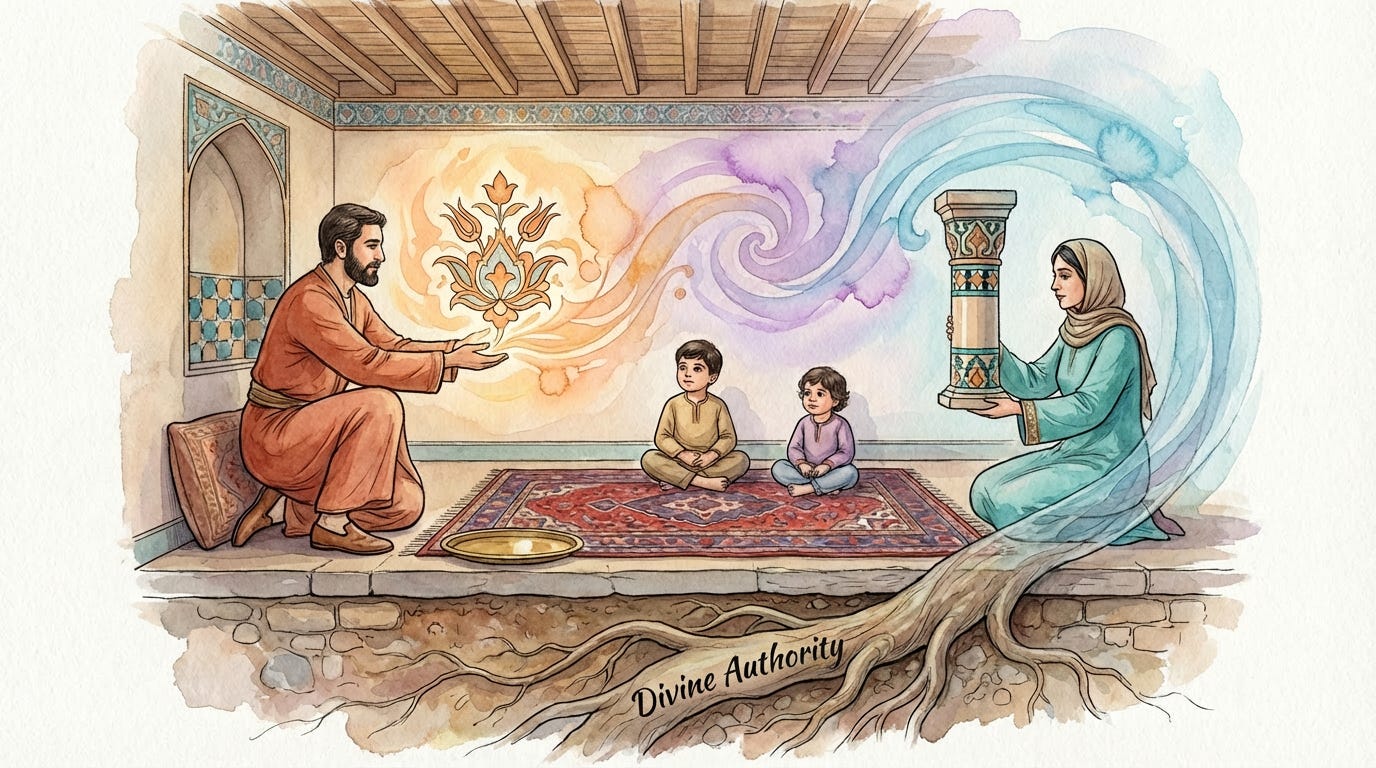
The Prophet’s teachings provide specific guidance for maintaining family harmony. Men must safeguard their wives’ hearts through kindness and affection, while women must protect their husbands’ dignity and honor, especially in front of children. This reciprocal care creates an environment where children naturally learn respect for divine authority.
The root of misguidance is heedlessness — Imam Sadiq (peace be upon him)
Many family conflicts arise from neglecting these simple yet profound principles. When a mother respects her husband before the children, she teaches them to respect divine authority. When a father shows kindness to his wife, children learn the mercy of the Imam. These seemingly small actions have cosmic significance in shaping souls for eternity.
The Ultimate Test: Raising Righteous Children
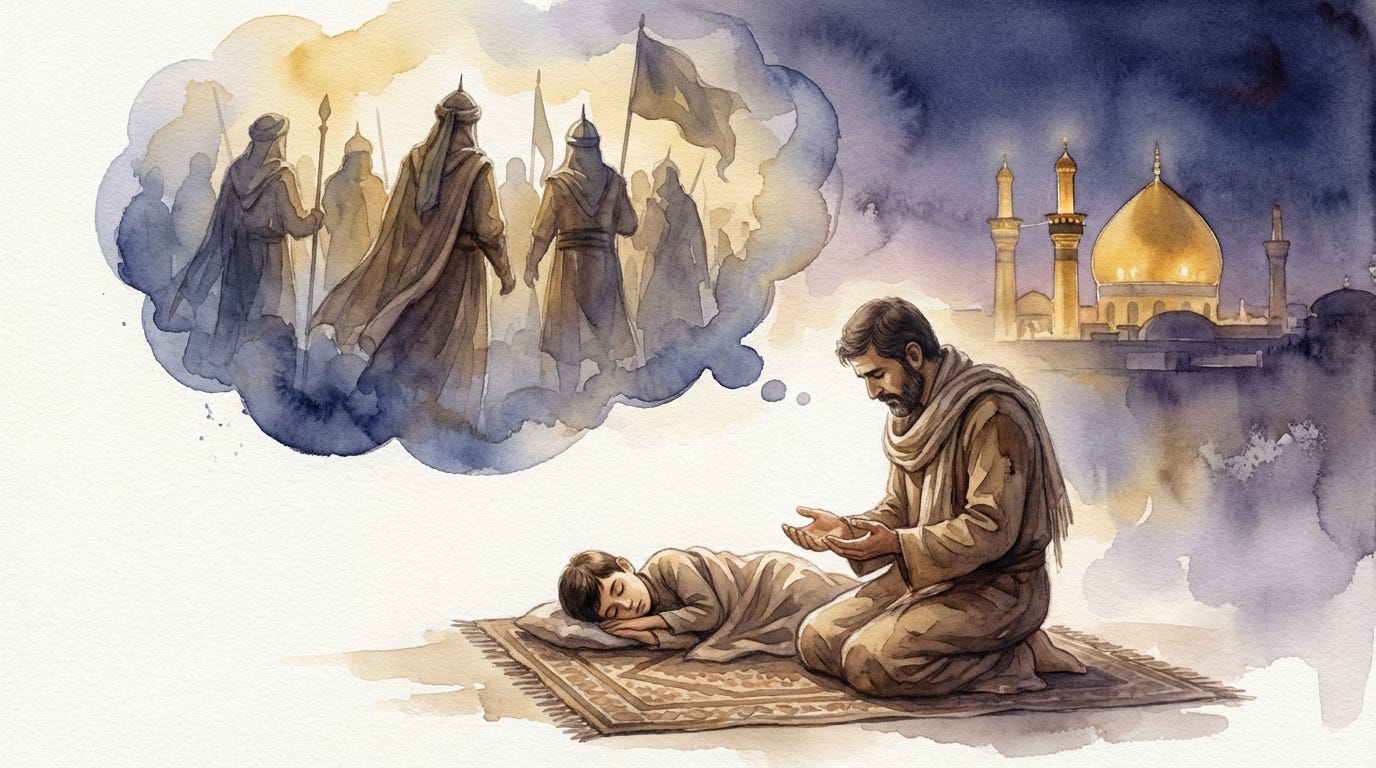
The hadith literature emphasizes that those who raise daughters well are guaranteed paradise. This promise underscores the immense spiritual value of proper child-rearing. In our era, as we approach the appearance of Imam Mahdi (may God hasten his return), raising children with strong faith becomes even more critical. Perhaps among the 313 special companions of the Imam will be children from our own families.
The Price of Devotion
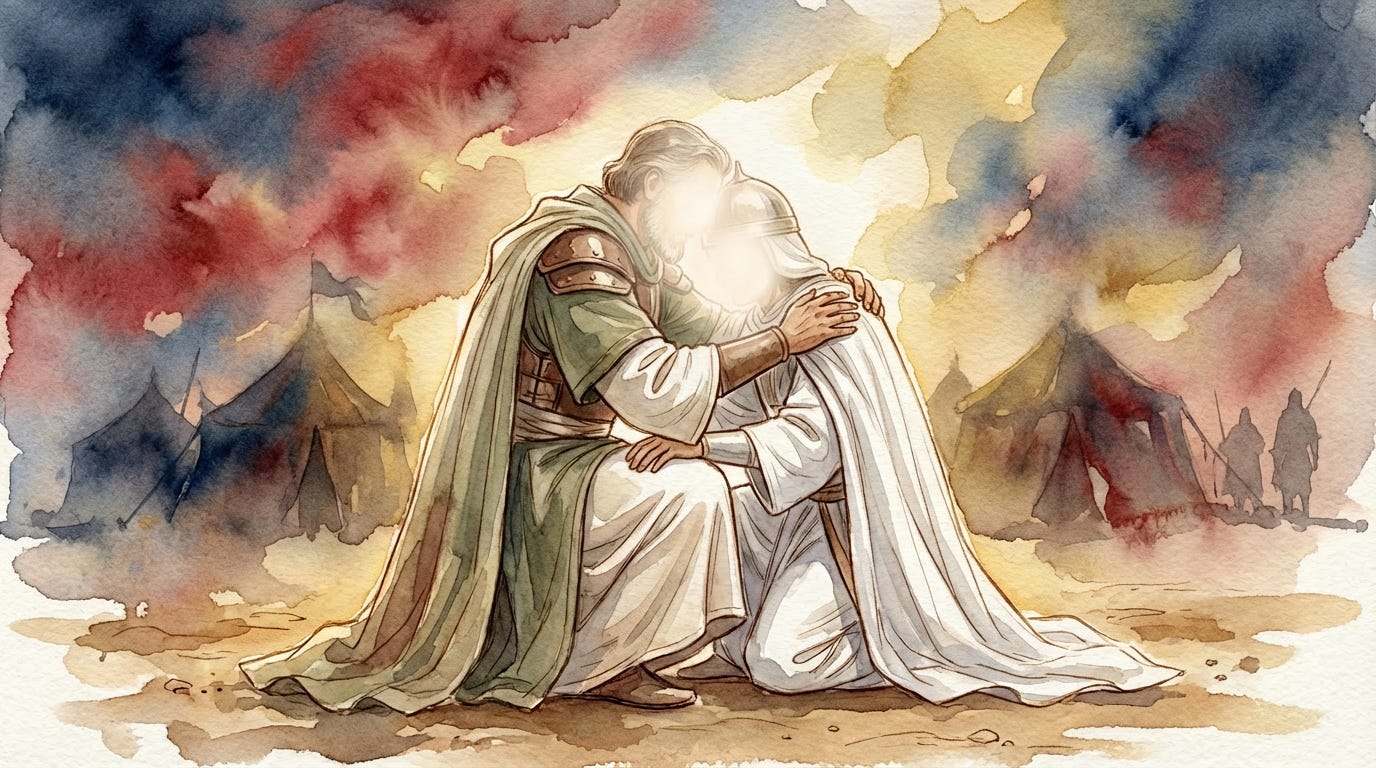
Parents who follow prophetic guidance in their family relationships may face a unique challenge: raising children so pure and devoted that losing them becomes unbearable. The story of Imam Hussain (peace be upon him) and his son Ali Akbar at Karbala exemplifies this ultimate test. When parents create homes filled with divine love and respect, they may produce children whose spiritual beauty makes separation agonizing.
Women’s Unique Spiritual Authority
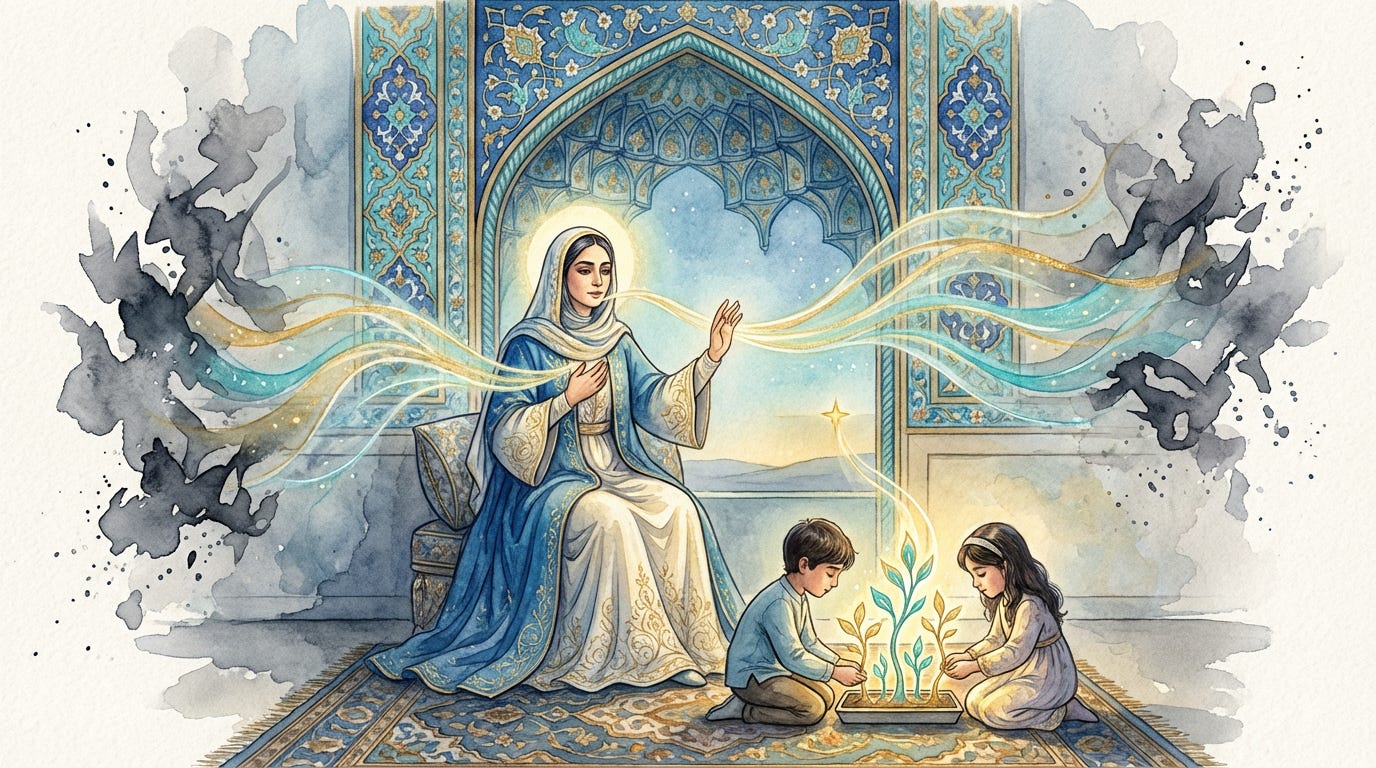
Islamic sources describe the ideal wife as one who shows humility toward her husband while maintaining dignity with her birth family. This teaching recognizes women’s powerful influence in shaping family dynamics. A woman’s kind words and respectful behavior can transform even difficult husbands, while her disrespect can destroy the spiritual foundation of the home.
Women’s forgiveness and patience can neutralize negative paternal influences on children
Respecting husbands before children teaches respect for divine authority
Women possess unique abilities to create spiritual transformation through speech and behavior
The mother’s role is central to producing believers loyal to the Imam of the Age
Conclusion: The Path Through Family
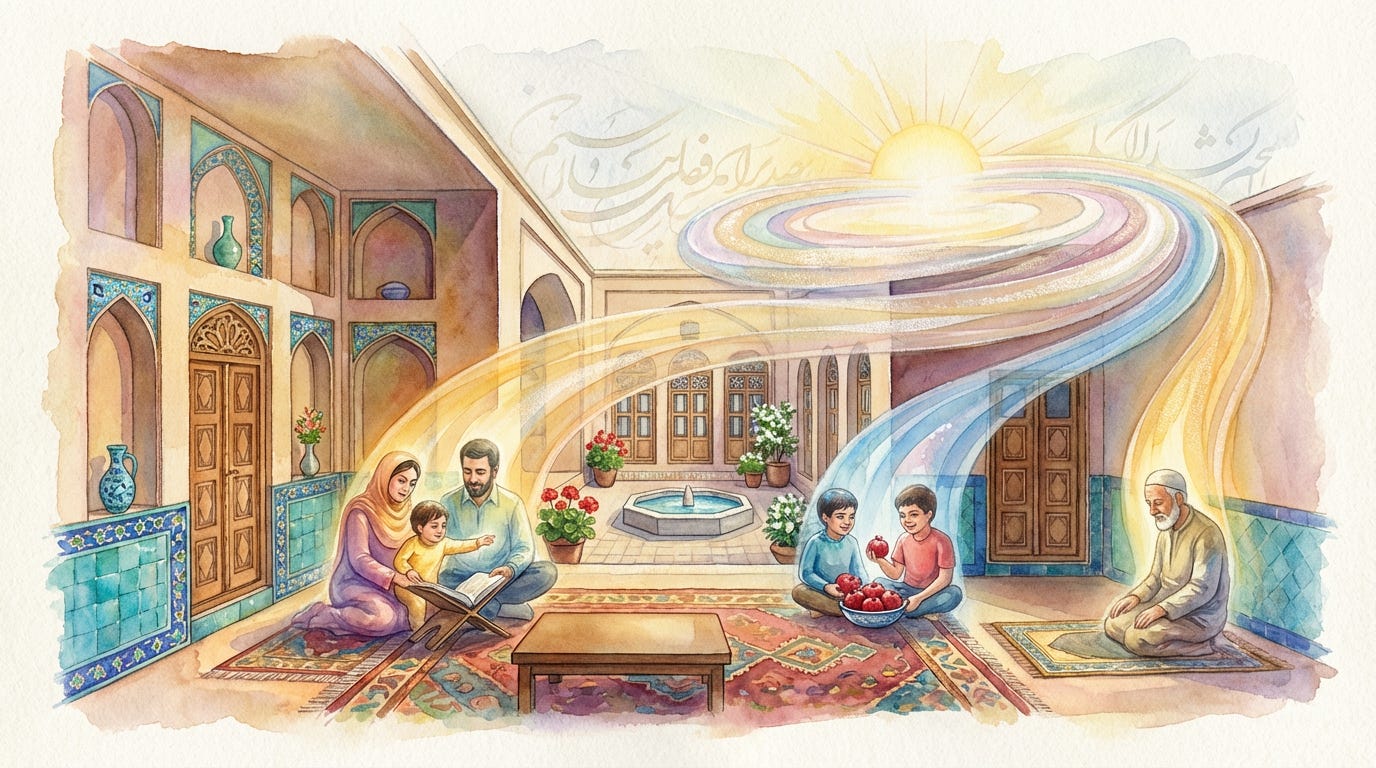
The family serves as the primary pathway to paradise, more accessible and practical than seeking martyrdom or other extraordinary spiritual achievements. Through simple acts of kindness, respect, and forgiveness within our homes, we prepare souls for divine service. The coming of Imam Mahdi depends not on grand gestures but on families who understand their sacred mission: raising children who recognize and follow divine guidance. In this light, every moment of family life becomes an opportunity for eternal success.
Original: Voice | The Guardianship Seedling in the Family Institution | panahian.ir