

Lessons from Ashura on Building Families Rooted in Divine Guardianship
Video:
Audio:
Original Audio from Sheikh Ali Reza Panahian’s Website
In the sacred atmosphere of Muharram, Professor Panahian delivered a discourse at Tehran’s Mahdiyeh regarding one of Islam’s most pivotal concepts: Wilayat-centeredness. This principle stands as the cornerstone of faith, determining not only individual salvation but also the collective destiny of humanity as it awaits Imam Mahdi (AJ).
The Centrality of Wilayat in Islamic Life

Wilayat-centeredness is not merely a political or social concept; it is the most fundamental principle of religion. Tradition teaches that without accepting Wilayat, neither prayer nor fasting holds value before Allah. This truth dates back to creation: Iblis, despite six thousand years of worship, was cast out for refusing to bow to Adam—a refusal rooted in the rejection of divine guardianship.
Preparing the Ground for the Awaited Imam
Professor Panahian emphasized that Imam Mahdi (AJ) will not appear until society is prepared through the establishment of Wilayat-centeredness. This devotion is what the enemies of Islam fear most—not the act of prayer itself, but the devotion to divine leadership.
In contemporary times, the institution of Wilayat al-Faqih serves as a continuation of this divine principle. The martyrs of the Iran-Iraq war demonstrated this connection, mentioning Imam Husayn (AS) and the importance of following the Wilayat al-Faqih with equal frequency in their final testaments.
The Family: The Crucible of Character
True Wilayat-centeredness begins within the family. Professor Panahian argues that we cannot expect children to become devoted to divine guardianship if they have not learned respect and obedience within their own homes. The home is the primary school for learning selflessness and submission to rightful authority.
The Golden Principle: Cultivating Mutual Respect
To raise a “Wilayat-centered” child, parents must follow a golden principle: Fathers should encourage children to show love to their mothers, while mothers should guide children to respect and obey their fathers.
Specific practical standards for children include:
Not sitting before their parents do.
Not staring at parents with anger.
Not raising their voices to their parents.
The Husband-Wife Relationship as Foundation
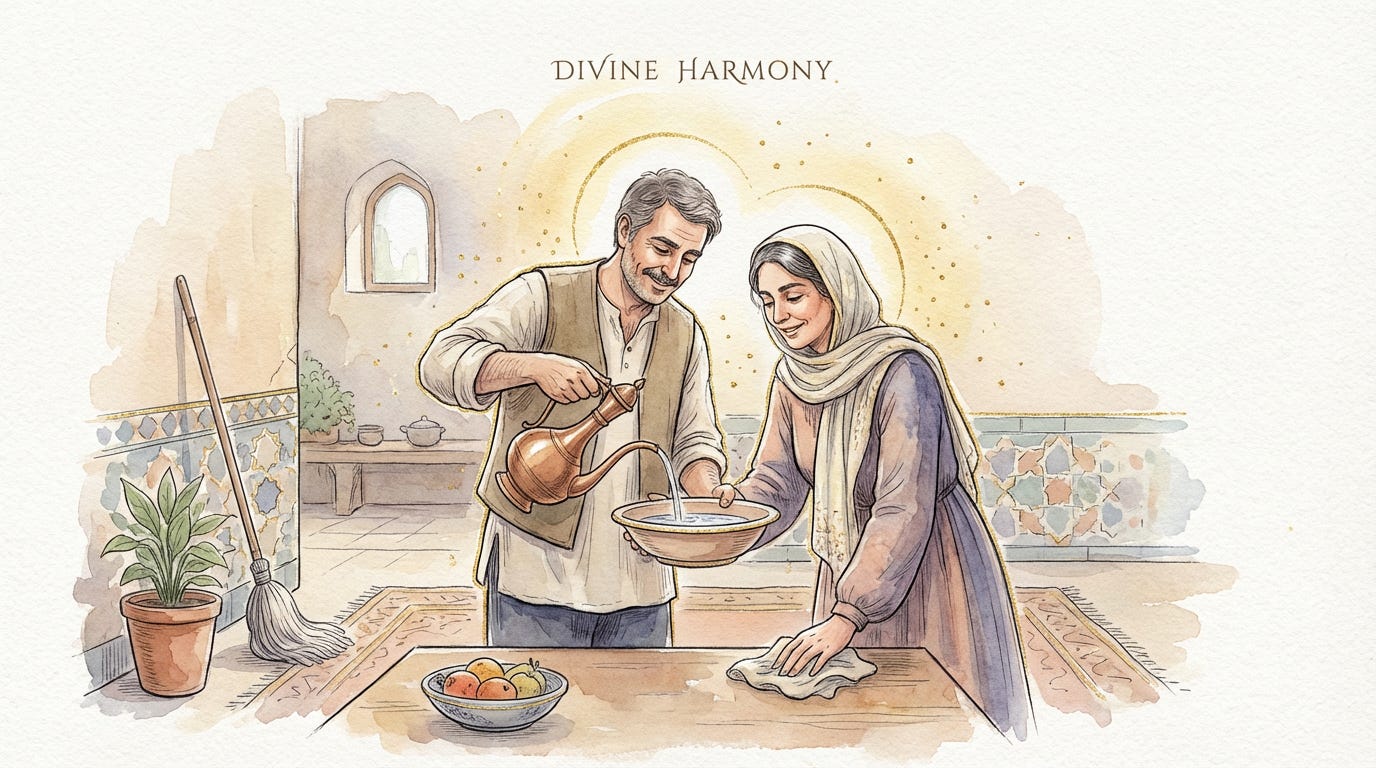
The spiritual atmosphere of the home is determined by the relationship between husband and wife. When a husband prioritizes his wife’s heart and expresses love verbally, and when a wife addresses her husband with honor, they create the necessary foundation for spiritual growth.
Tradition highlights the profound capacity of women in this role; the Prophet (PBUH) noted that a wife giving her husband a glass of water is superior to a year of fasting and night prayers. Furthermore, a woman who bears patience with her husband’s harsh words receives the reward of a warrior in the path of Allah.
The Example of Umm al-Banin
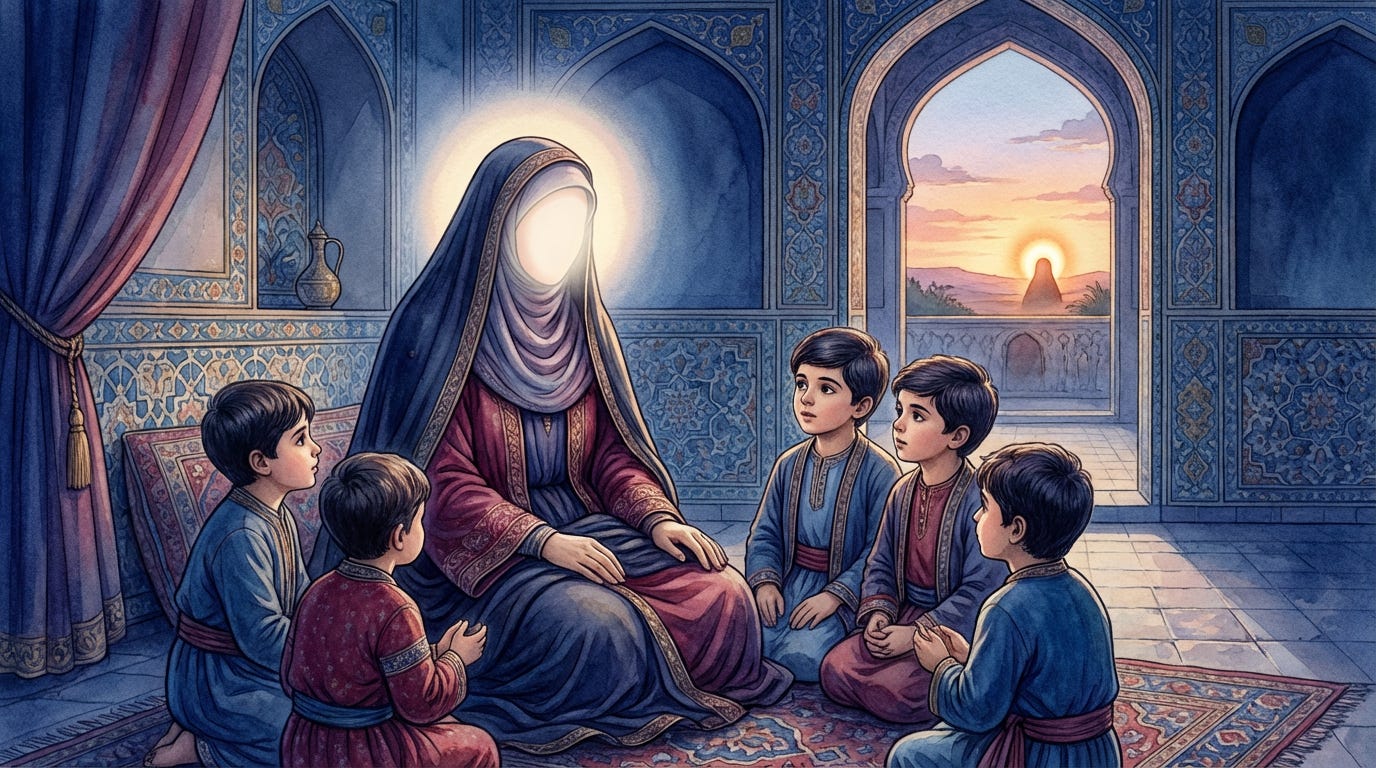
The noble figure of Umm al-Banin, the mother of Abbas ibn Ali (AS), exemplifies how maternal training in Wilayat produces extraordinary spiritual caliber. From the moment she entered Imam Ali’s (AS) household, she modeled complete submission, teaching her sons that they were servants to the family of the Prophet.
This training reached its peak in Karbala, where Abbas (AS) accepted every command of his Imam without question, even when it meant staying behind from battle while others fought. Because of this absolute Wilayat-centeredness, he became Bab al-Hawaij (the Gate of Needs).
A Society Ready for the Mahdi
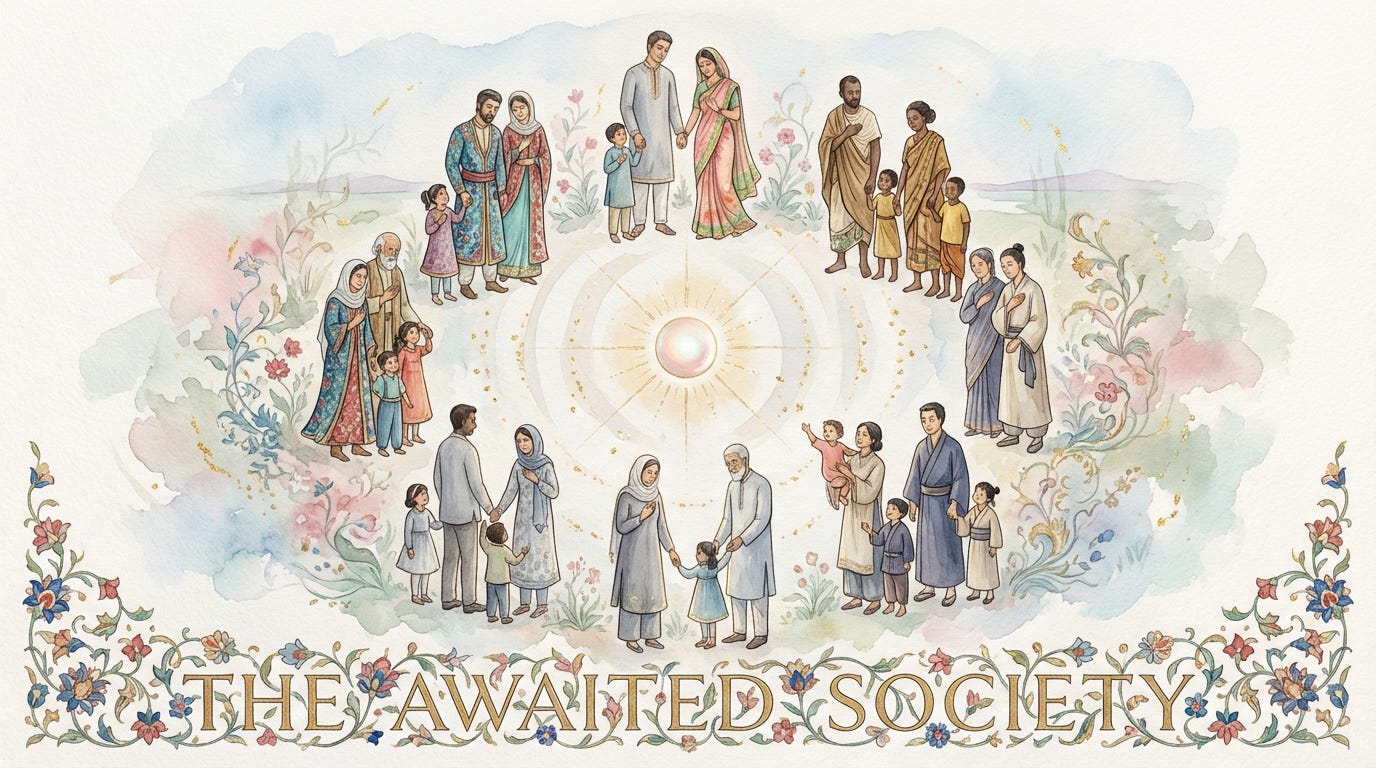
The journey toward a society ready for the Mahdi begins in the intimate space of the family where souls are prepared for submission to divine authority.
Practical Steps for Families:
Expression of Love: Fathers should openly appreciate their wives before the children.
Respectful Conduct: Mothers should demonstrate respect for the husband’s position.
Conflict Management: Parents should never involve children in their conflicts or force them to take sides.
Positive Reinforcement: Both parents should emphasize the other’s positive qualities to the children.
By building homes on these principles, we prepare the next generation to recognize and follow the Imam of their time.
Original: Voice | The Guardianship Seedling in the Family Institution | panahian.ir