

The Foundation of Wilayah: Honouring Parents as a Path to Divine Guardianship
Video:
Audio:
Original Audio from Sheikh Ali Reza Panahian’s Website
Lessons from Imam Ali and Imam Hussein on Family Values and Spiritual Authority
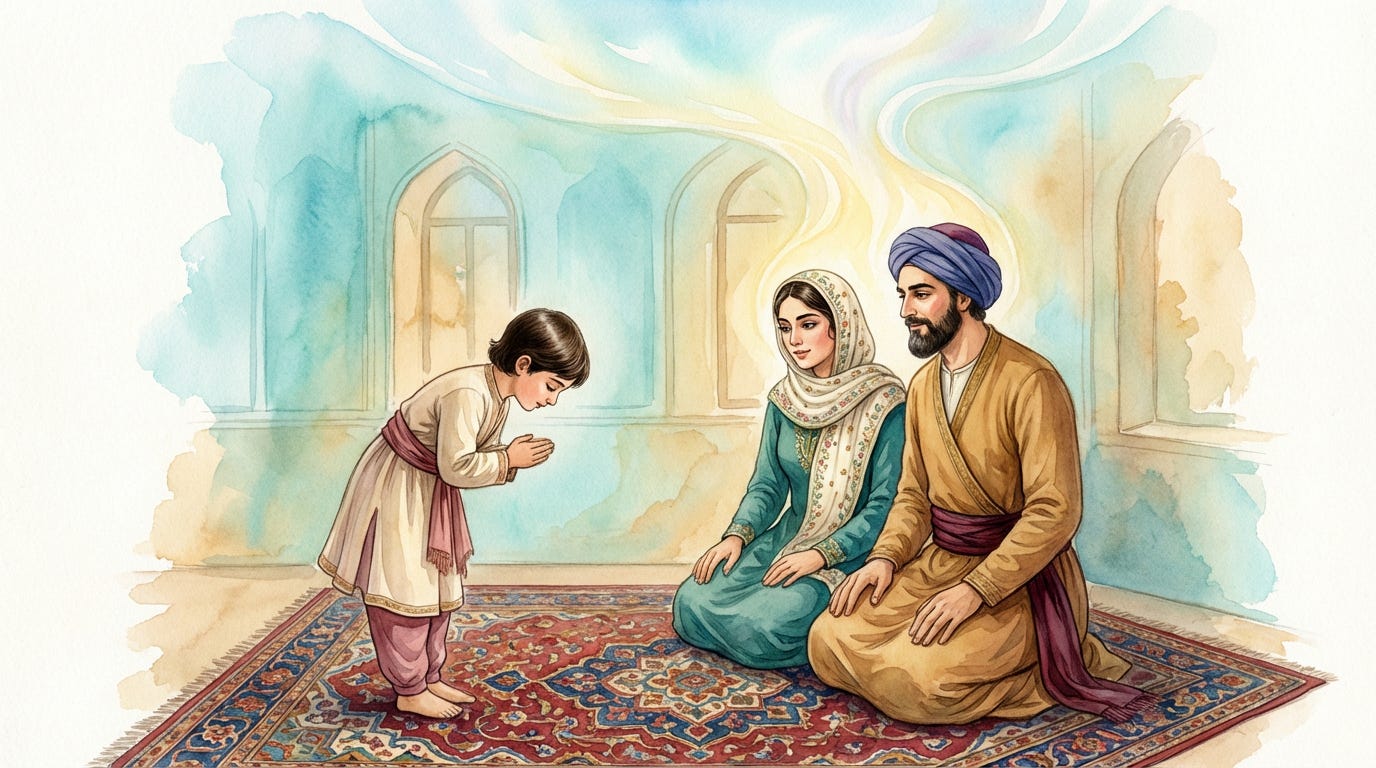
In a profound discourse delivered during Muharram 1390, Sheikh Alireza Panahian addresses a critical yet often overlooked dimension of Islamic spirituality: the intrinsic connection between respecting parents and developing true Wilayah (divine guardianship). This teaching, delivered in the shadow of Ashura’s commemorations, reveals how the tragedy of Karbala itself stems from a breakdown in these fundamental family values.
The Dangerous Mercy of “Buddy” Parenting
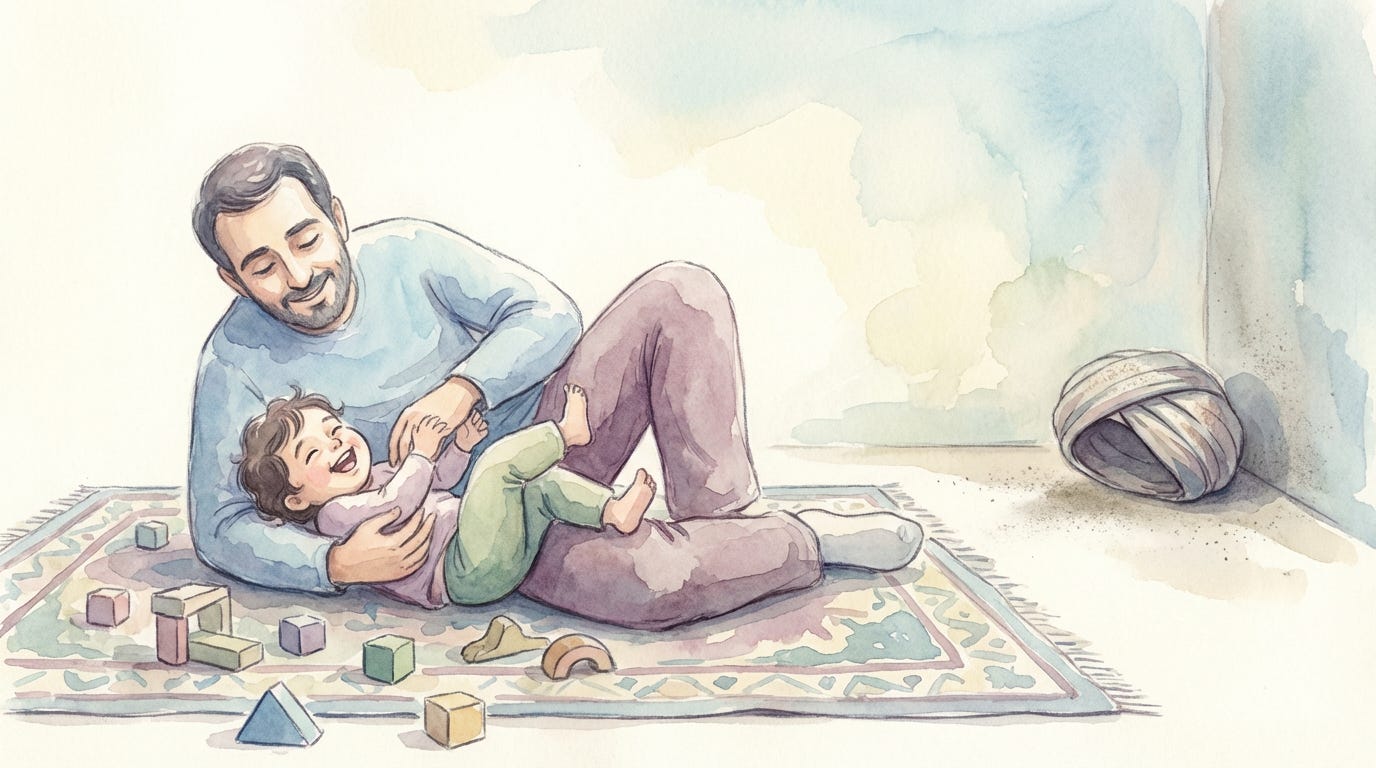
Sheikh Panahian begins with a stark warning to well-meaning parents who, out of excessive love for their children, fail to teach them proper respect and boundaries. He specifically addresses the modern trend where parents claim, “I am friends with my child” or “We are buddies”.
He argues that this is a deception. A father is not a “buddy”; he is a Wali (guardian). A mother is not a “mate”; she is a benefactor. By flattening this hierarchy, parents are not being kind; they are setting a dangerous trap.
“When you give up your rights... and the child fails to observe proper etiquette toward parents, you are corrupting your child’s relationship with their Imam of the Time.” — Sheikh Alireza Panahian
If a child does not learn to respect the tangible authority of the father and mother—the source of their very existence—they will never develop the capacity to respect the unseen authority of God or the Imam. Permissiveness is not kindness; it is the destruction of the child’s spiritual potential.
The Prophetic Curse: A Message from the Pulpit
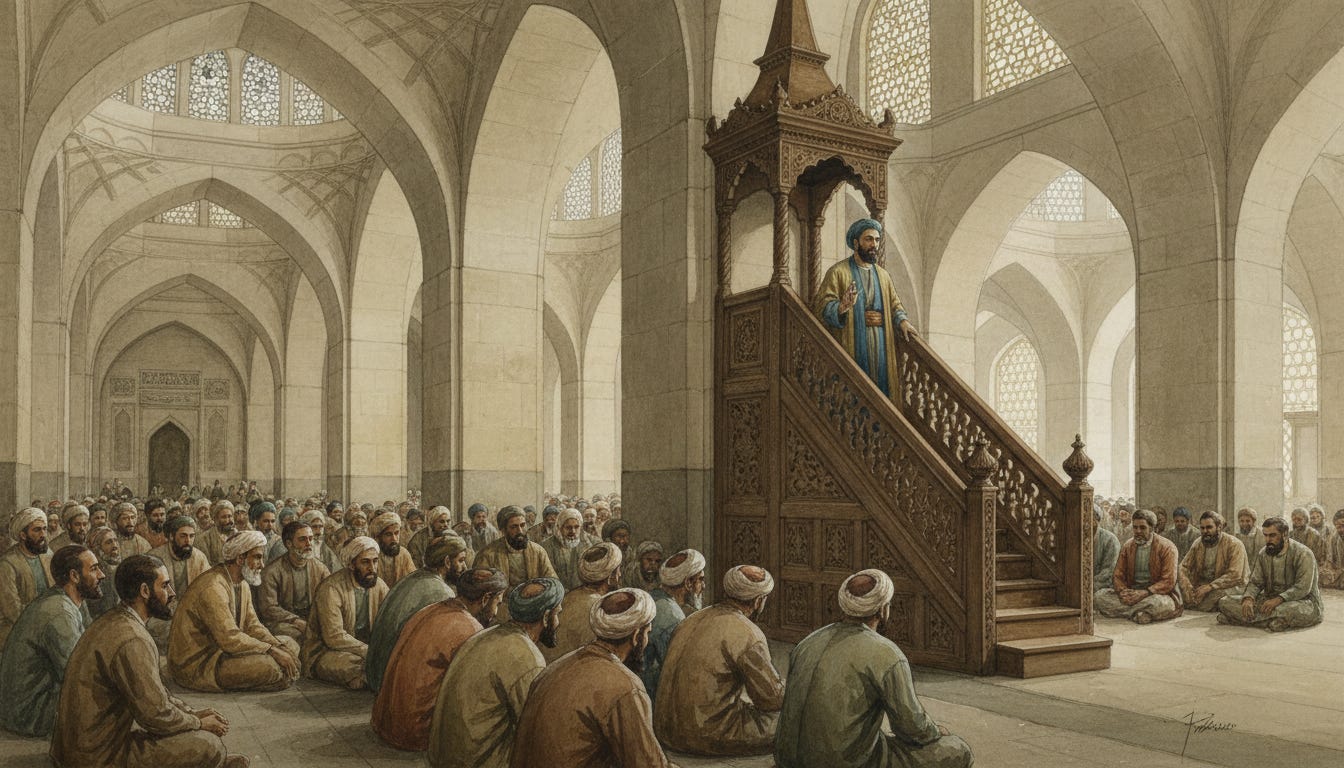
Sheikh Panahian narrates a powerful incident from the final days of Imam Ali’s life. On the 19th night of Ramadan, just before his martyrdom, Imam Ali instructed his son, Imam Hassan, to ascend the pulpit and deliver a specific message to the people.
The message was stark: “May Allah curse the child who is undutiful to his parents.”
When the people, confused by this sudden declaration, asked Imam Ali for an explanation, he revealed a secret from the Prophet Muhammad (PBUH). The Prophet had once pulled Ali close and declared:
“O Ali! You and I are the fathers of this nation. So may Allah curse the one who is undutiful to us.” — Prophet Muhammad (PBUH)
Imam Ali’s pain was not just about biological parents; it was that a society unable to honor its parents had lost the “manners” required to honor its spiritual fathers.
The Quranic Connection: Tawhid and Etiquette
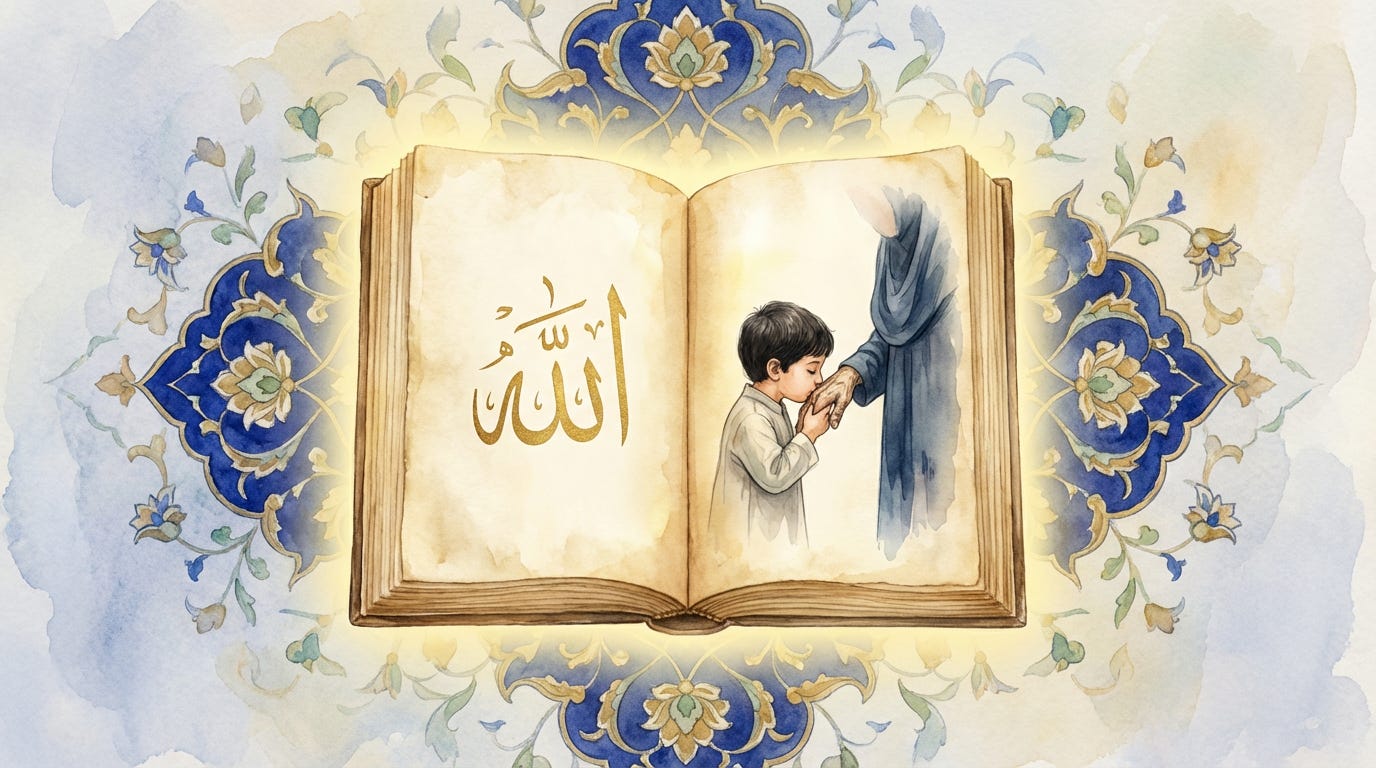
The speaker emphasises how the Quran consistently pairs the command to worship Allah alone (Tawhid) with the command to show kindness to parents (Ihsan). This pairing appears in Surah Al-Baqarah, Surah An-Nisa, and Surah Al-An’am.
This reveals that respecting parents is not merely a social virtue but a prerequisite for monotheism. To help families practice this, Sheikh Panahian outlines specific Prophetic guidelines for children:
Never call parents by their first name.
Do not walk ahead of them.
Do not sit before they sit.
Do not raise your voice above theirs.
Look at them with kindness: Looking at a parent’s face with love is an act of worship, equal to looking at the face of a Prophet or Scholar.
The Political Consequence: Strong Families, Strong Nations
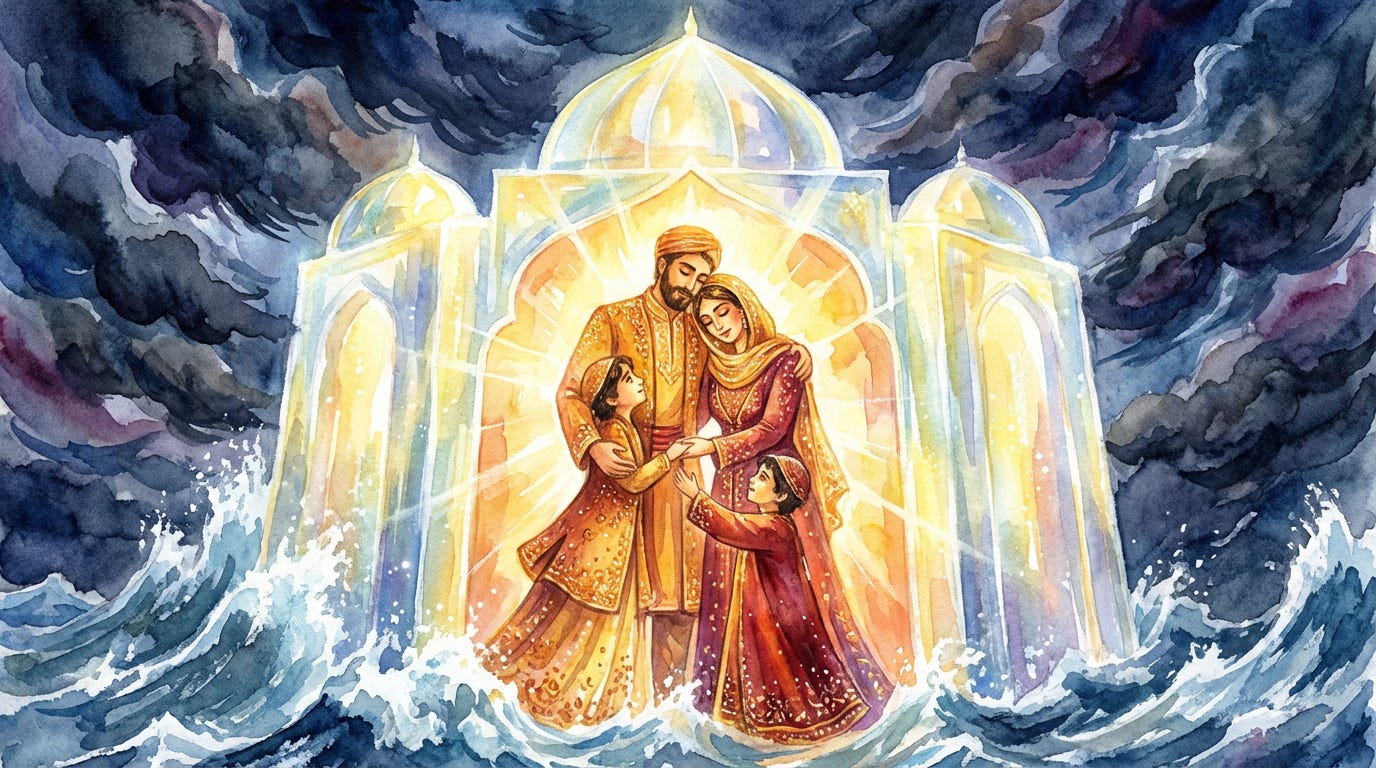
In a striking analysis, Sheikh Panahian connects family dysfunction to global political exploitation. He argues that enemies of the faith understand that to dominate a nation, they must first shatter the authority structure within the home.
“When husband and wife fight at home, the Zionists have won society... How can a minority rule over the majority? Because families are shattered.” — Sheikh Alireza Panahian
Strong families produce individuals who understand hierarchy, loyalty, and authority. Broken families produce individuals who are easily manipulated and unable to defend their nation or their faith.
The Tragedy of Karbala: The Orphan’s Loyalty
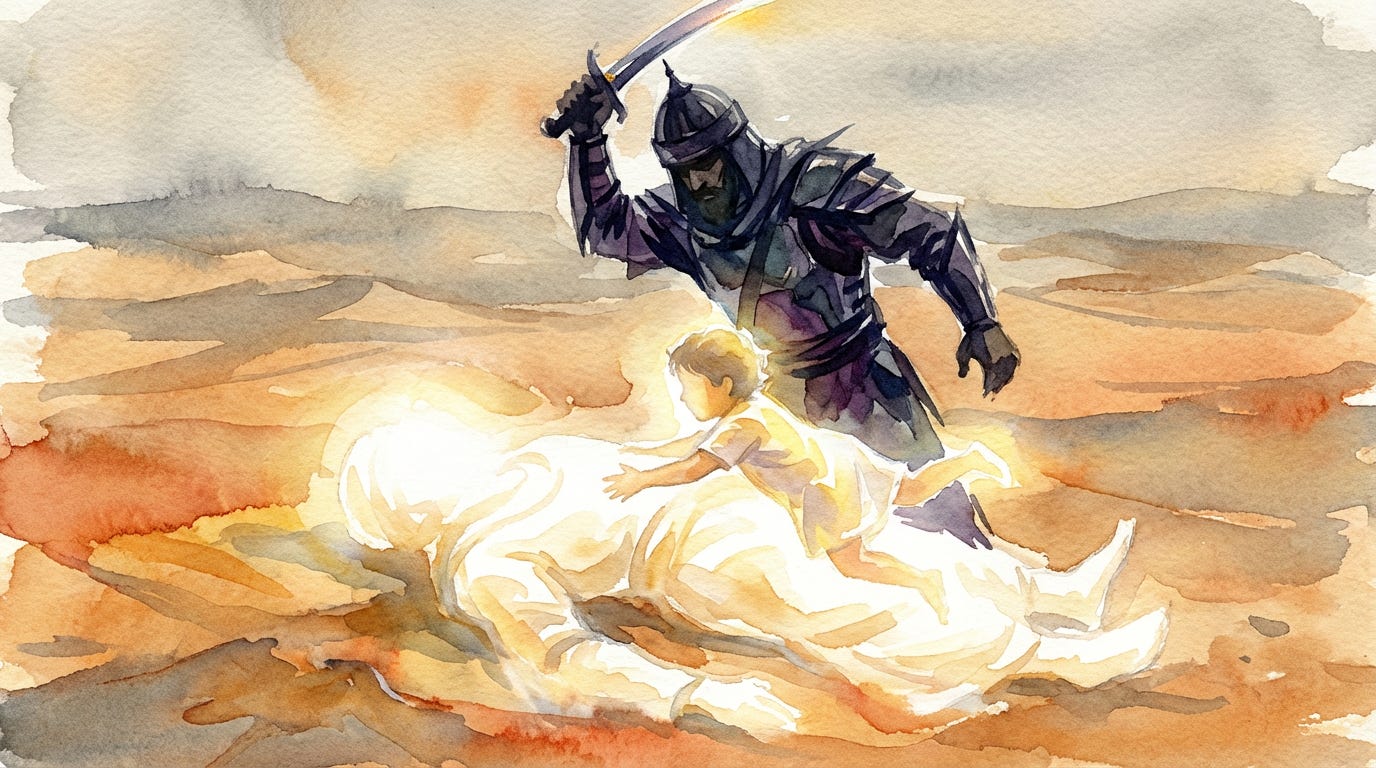
Returning to the theme of Ashura, Sheikh Panahian draws a direct line from family values to the battlefield. He asks: Who killed Imam Hussein? It was a people who had lost the Adab (etiquette) of fatherhood and guardianship.
In contrast, the lecture concludes with a heart-wrenching image of true loyalty. We see Imam Hussein, whose shoulders were scarred not by war, but by the sacks of food he carried nightly to the orphans of Medina.
And how did the orphans repay this fatherhood? On the day of Ashura, the young orphan of Imam Hassan (Abdullah) refused to let go of his uncle, Imam Hussein. He shouted, “By God, I will not separate from my uncle!”. When the enemy attacked, this child threw himself upon Imam Hussein’s chest, sacrificing his life to protect his spiritual father.
This is the ultimate lesson: A child trained in respect and love for parents becomes a soldier who will never abandon their Imam.
A Call to Action
The path to the global rule of justice does not begin in politics, but in the living room. Parents must loving but firmly teach their children respect—not for their own ego, but to cultivate souls capable of recognizing and serving the Imam of their time.
“Your paradise is here, your hell is here.” — Prophet Muhammad (PBUH)
Original: Voice | The Guardianship Seedling in the Family Institution | panahian.ir