

Video:
Audio:
Original Audio from Sheikh Ali Reza Panahian’s Website
Exploring the Spiritual, Emotional, and Social Dimensions of Divine Guardianship
In the gatherings of believers, the word ‘Wilayah’ (divine guardianship) resonates frequently. Various reasons, benefits, and arguments have been presented regarding its importance. However, some individuals, due to their lack of deep contemplation on the meaning of Wilayah, feel from a distance that this concept is being treated merely as a slogan, as if some are attempting to exaggerate its significance. This discourse aims to present a comprehensive overview of the various dimensions of Wilayah.
The Mystical Dimension of Wilayah

When entering the discussion of Wilayah in mystical contexts, one discovers that the entire universe is established based on the blessing of the sacred existence of the Greatest Wali of Allah (divine guardian). As the tradition states: ‘Were it not for the Hujjah (divine proof), the earth would collapse.’ Mystics in their discussions never leave humanity and God alone. They consider it necessary for the Wali of Allah to be the mediator between humanity and God for the continuation of the world’s existence, providing the ground and foundation for human life.
The Emotional Source of Wilayah
In emotional discussions, we find that Allah the Exalted declares: ‘I have divided love into one hundred parts, ninety-nine of which I have given to My saints, to the Fourteen Infallibles, and one part to the people of the world.’ Thus, the abundant source of emotion and feeling resides in the house of Allah’s saints. This is why we become so deeply moved during Ashura. Anyone who wishes to experience the highest forms of love and the most sublime human emotions must pass through the door of the Ahl al-Bayt (the Prophet’s household).
The Story of the Yemeni Visitors
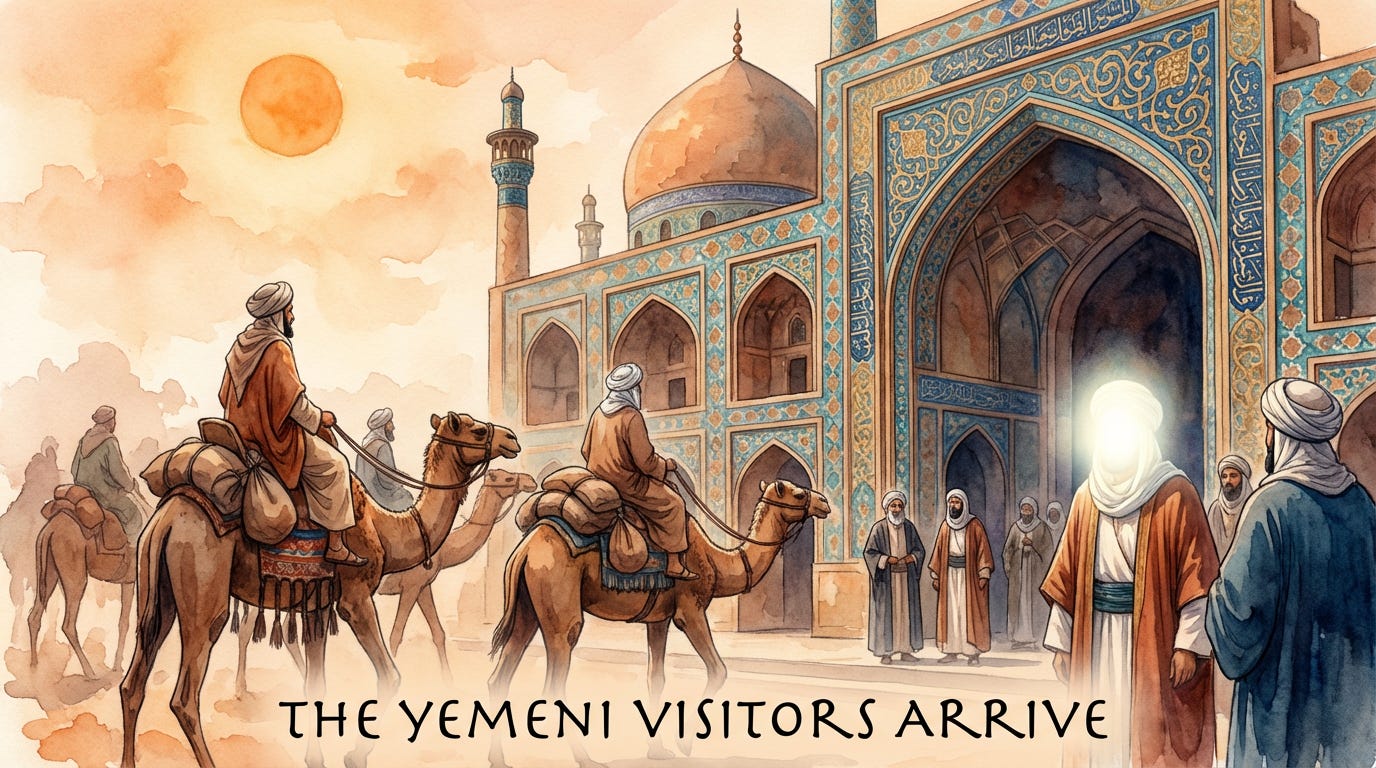
The Noble Prophet of Islam (peace be upon him and his family) was seated when he said that some true and good believers whom he loved were coming. Everyone in the mosque looked to see who would arrive. They saw a group from Yemen, covered in the dust of travel, arriving in the presence of the Prophet. Everyone envied these Yemenis who were so beloved by the Prophet.
When they arrived and sat down, they said, ‘O Messenger of Allah, we had a purpose for this journey besides meeting you. We have traveled a long way to ask who will assume leadership of the Islamic community after you? What should we do after you?’
The Noble Prophet described the qualities of his successor. They said, ‘O Messenger of Allah, we don’t understand qualities; tell us his name so we can take it with us and not lose our way.’ The Prophet said, ‘I won’t mention a name. My successor is sitting among these people in the rows. Go and pass by the people sitting in the rows. If your heart feels something special before one of them, come and tell me. Let me see if that is indeed my successor.’
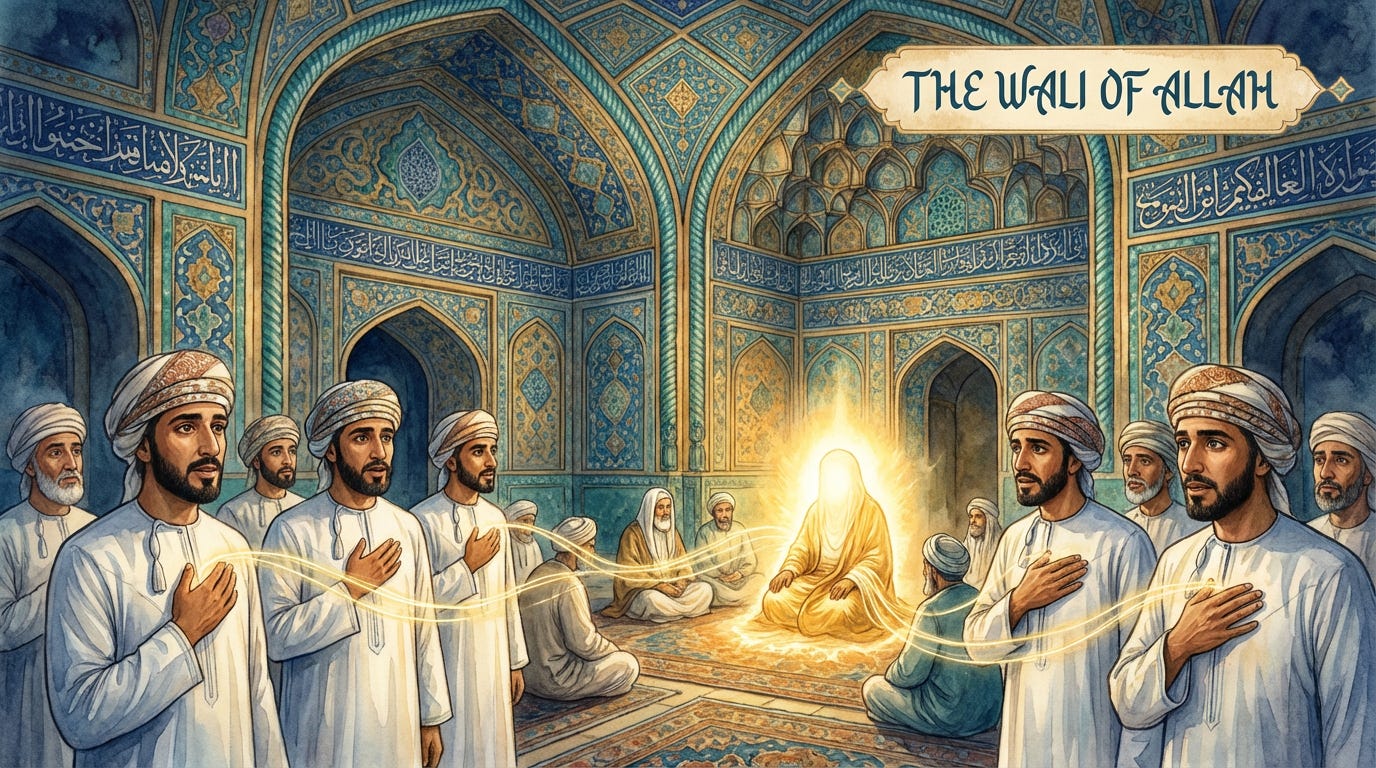
Ali ibn Abi Talib (peace be upon him) was sitting in the row. The Yemenis stood up and passed by several people in the first row until they reached Ali ibn Abi Talib. They wanted to pass by, moving slowly, when they felt a warmth in their hearts. They tried to continue but found their knees wouldn’t move. They looked at him and their hearts caught fire. They looked at each other, confirming each other’s experience.
O Messenger of Allah, we felt that Ali was our father and we were like children drawn to him with affection. — The Yemeni visitors
They had never seen Ali before, and Ali ibn Abi Talib was younger than them. The Prophet said, ‘This is how it is - the Imam, the Wali of Allah, affects the human soul in this way.’
The Doctrinal Necessity of Wilayah

From a doctrinal perspective, if you believe in God, believe in the Prophet, believe in the resurrection, but do not believe in the Wilayah of Allah’s Wali, the Quran states that even a particle of doubt about the Prophet’s Wilayah means, by God’s oath, that you have no faith.
But no, by your Lord, they will not believe until they make you judge in their disputes, then find no resistance in themselves to your decisions and submit completely.
— Quran, Surah an-Nisa, Chapter 4, The Women, Verse 65
The Moral and Social Dimensions
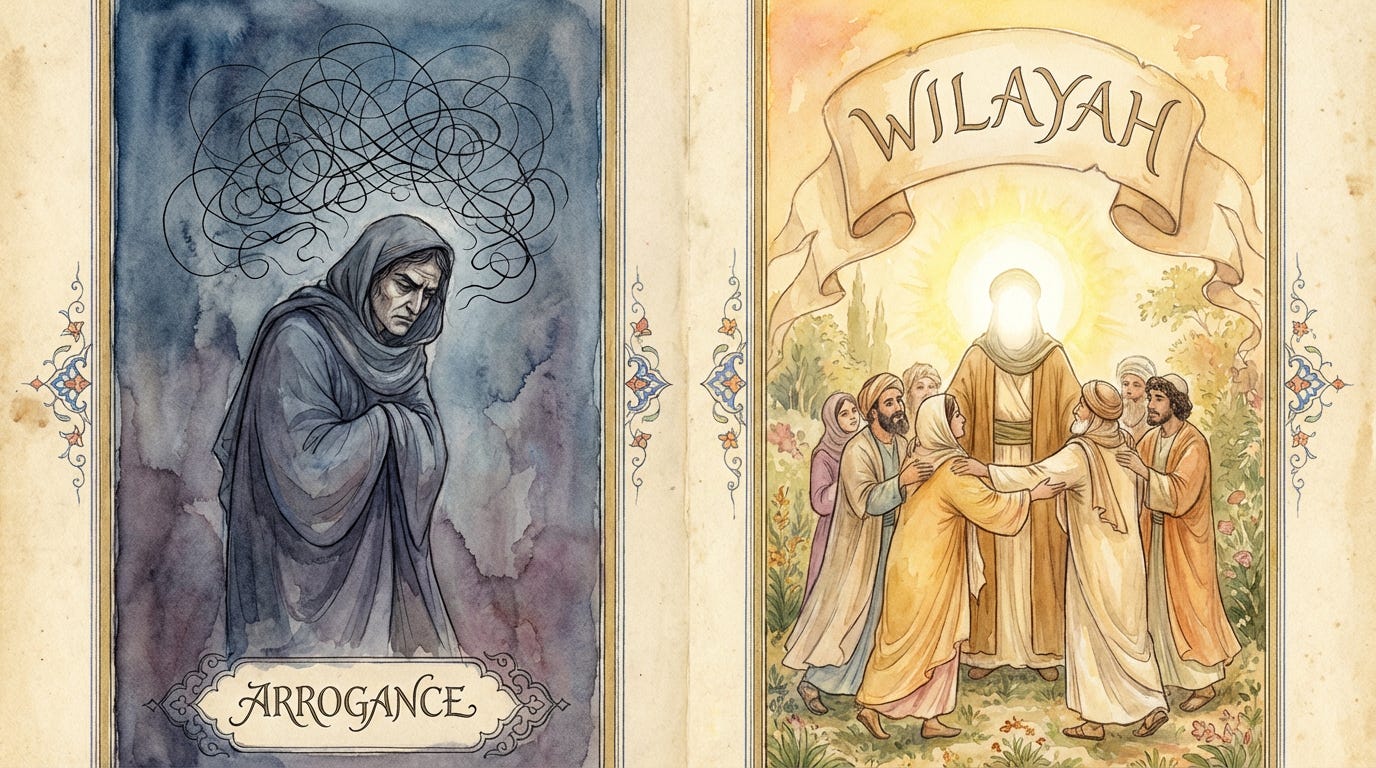
From a moral perspective, those who are not oriented toward Wilayah harbor the greatest vices of arrogance and envy in their hearts, as the Quran states. From a social and political perspective, Wilayah is the only element that can save humanity. It is the most dangerous concept in the world for the oppressors of the world.
The Role of the Awaited Imam
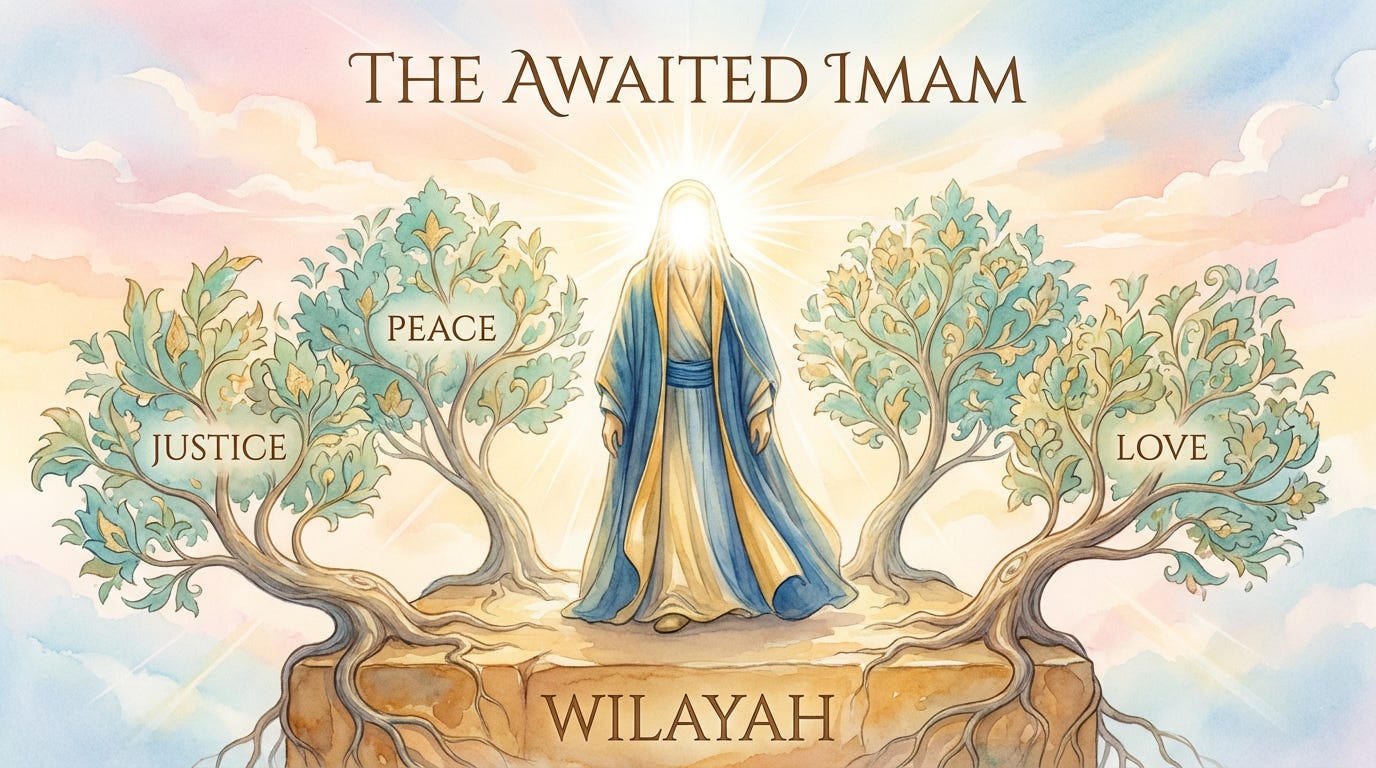
The Imam of the Age (may our souls be sacrificed for him) does not bring justice, peace, security, blessings, love, light, or intellect through his appearance. Rather, he brings Wilayah. He establishes Wilayah. Justice, security, blessings, love, light, and everything else are the fruits of establishing Wilayah.
Wilayah in the Family Structure
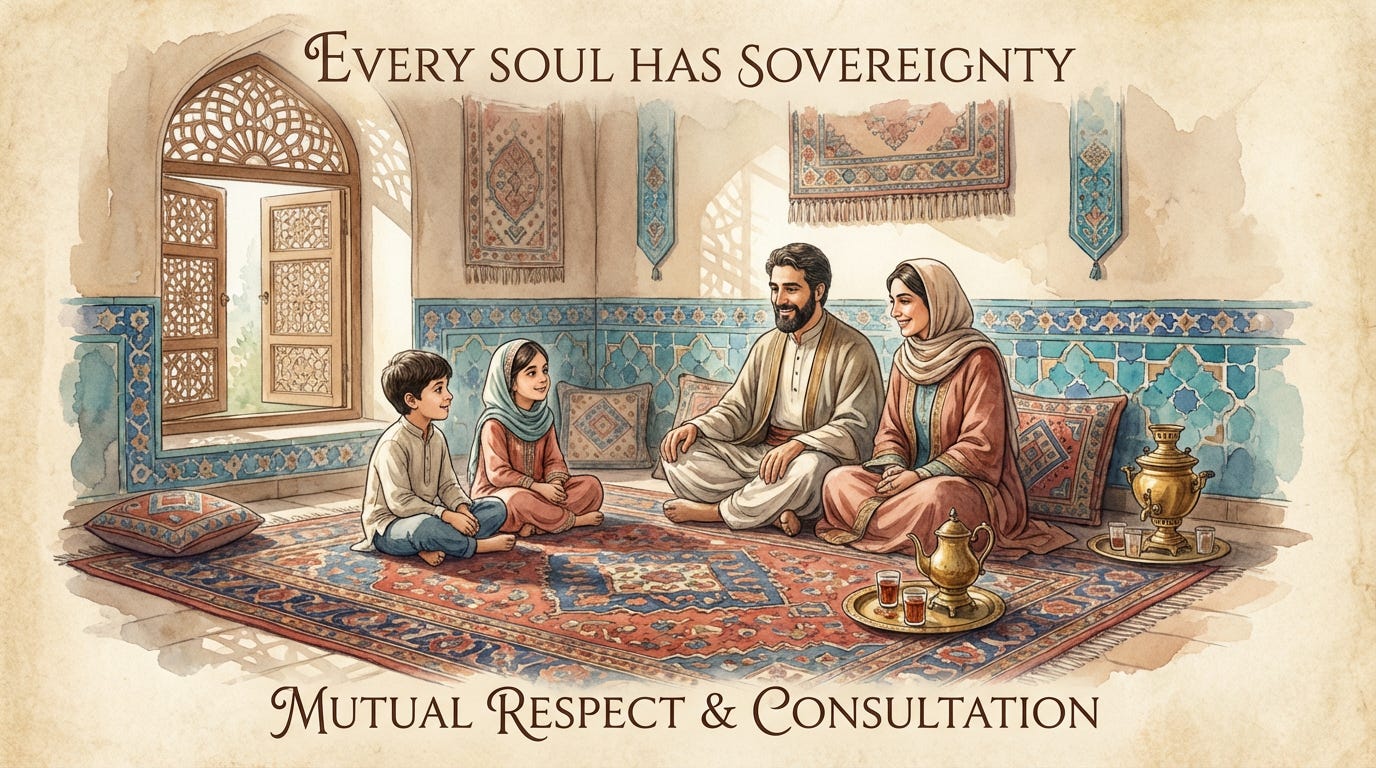
The Prophet (peace be upon him and his family) stated in a tradition about family leadership:
Every soul among the children of Adam has sovereignty. The man is the master of his family, and the woman is the mistress of her home.
— Prophet Muhammad (peace be upon him and his family)
This establishes clear roles while emphasizing mutual respect and consultation. Men should recognize women’s authority in household matters, and women should acknowledge men’s overall family leadership. Both should work together to create an environment where Wilayah-oriented values can flourish.
Guidance for Fathers
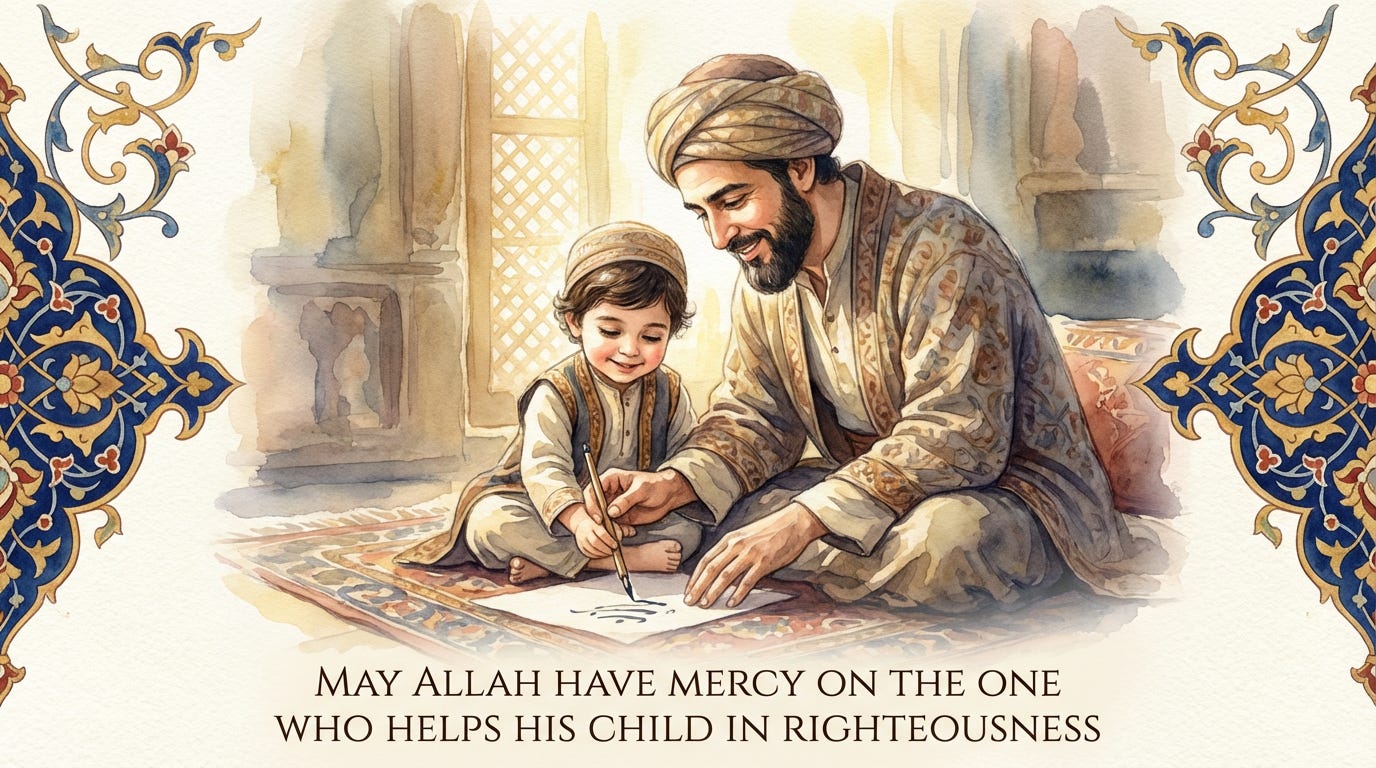
The Prophet prayed for fathers, saying:
May Allah have mercy on the one who helps his child in righteousness.
— Prophet Muhammad (peace be upon him and his family)
This means fathers should behave in a way that makes it easy for children to maintain respect for them. They should forgive their children’s mistakes while maintaining their dignity. Fathers should practice ‘Imamah’ (leadership) in their homes, letting their children taste what it means to have a true leader, following the example of Amir al-Mu’minin Ali (peace be upon him).
The Night of Ashura: The Pinnacle of Wilayah

Why must we speak of Wilayah on the night of Ashura? Because this night represents the temporal and spatial manifestation of the highest levels of devotion to Wilayah. Where is the highest level of Wilayah-orientation? In Karbala.
Imam Husayn gathered his companions, lifted the tent flap, and said, ‘Know that I will be killed tomorrow. I do not need your help. You have remained with me in this siege until now, ready to be killed. I accept this from you. Rise and leave. Whether you stay or leave, I will be killed. I will not be angry with you. I am pleased with you. I release you from your pledge.’
The companions of Aba Abdullah al-Husayn were anguished hearing these words. They didn’t know whether to take it seriously or not. Were they being expelled? Had they asked to preserve their lives?
The Ultimate Expression of Loyalty

When Imam Husayn even told Abbas that he too could leave, suddenly Abu al-Fadl al-Abbas began to speak: ‘Master, do you mean we should breathe after you?’ The companions, one after another, expressed their devotion. They said, ‘Fine, we are of no use to you, fine. But we want to sacrifice ourselves for you. For God’s sake, Husayn, allow us to sacrifice ourselves for you.’
This is the peak of Wilayah-orientation. While the companions of Amir al-Mu’minin would sometimes disobey his orders and impose their will upon him, the companions of Imam Husayn, when told they were free to leave and that he was pleased with them, not a single one moved. They sat and wept and pleaded until the Imam gave them permission to stay.
The Gathering Around Zaynab’s Tent
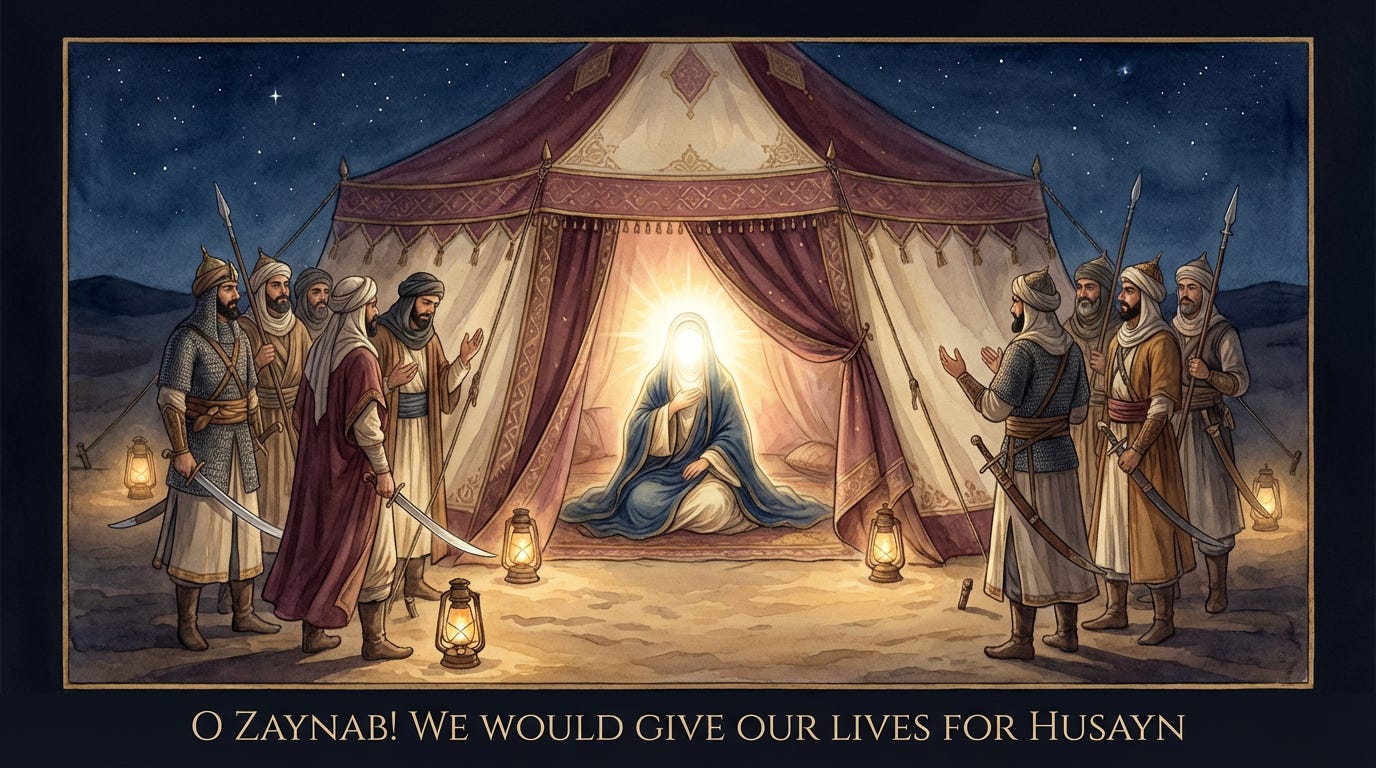
On that night, when Zaynab asked Husayn whether he trusted his companions, Habib ibn Mazahir gathered all the companions around Zaynab’s tent. They began to reassure her:
O Zaynab! O daughter of Amir al-Mu’minin! If we had seventy lives, we would give them all in the path of Husayn. Lady, do not worry! We are not like the companions of Imam Hasan al-Mujtaba.
— The Companions of Imam Husayn
Imam Husayn then called out to Zaynab to bring the daughters so they too could hear these words and have their hearts comforted. It was the last night that the daughters of Husayn would find peace. The next night, Zaynab would have to gather the daughters from the wilderness.
Conclusion: The Living Reality of Wilayah

The night of Ashura equals the night of the Reappearance, when 313 individuals will gather around the Imam of the Age. The night of Ashura is the night of the manifestation of Wilayah, the night of loyalty to Wilayah. This is not mere rhetoric or exaggeration - it is the living reality that continues to transform hearts and societies. From the mystical to the practical, from the emotional to the political, Wilayah remains the central axis around which all spiritual and social progress revolves.
Original: Voice | The Guardianship Seedling in the Family Institution | panahian.ir