

In the profound supplication known as Dua Makarim al-Akhlaq (The Prayer of Noble Moral Traits), we find a comprehensive spiritual roadmap that addresses the fundamental human struggle between worldly necessities and divine purpose. This prayer, which seeks the highest Islamic and human values from Allah, presents a sophisticated understanding of how material and social needs can obstruct our spiritual journey while offering practical solutions through divine assistance.
Original Audio:
Video:
The Purpose of Human Creation
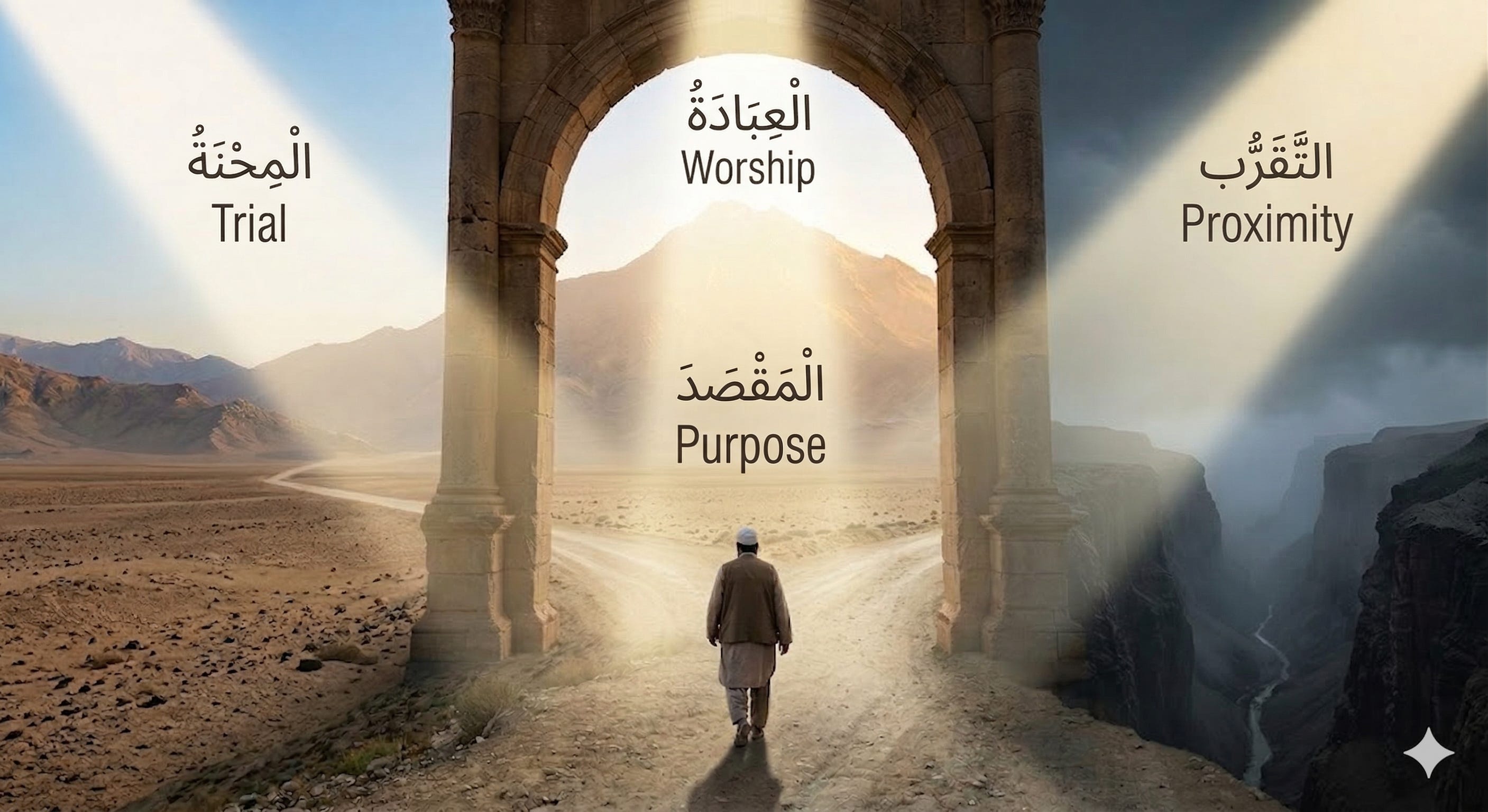
The foundation of this spiritual discourse rests on understanding why humans were created. When one truly comprehends the purpose of their creation and recognises what path leads to perfection and felicity, they will naturally strive with all their might to reach that pinnacle of spiritual achievement. The Quran presents this purpose through various expressions that, while appearing different, actually represent stages of a single journey.
“We created you to test you, to see which of you is best in deed“
— The Holy Quran, Surah al-Mulk, Chapter 67, The Kingdom, Verse 2
The Quranic narrative presents three interconnected purposes: trial (ibtila’), worship (ibadah), and ultimately achieving divine proximity (qurb). These are not contradictory but rather sequential stages - we are tested so that we may choose the path of worship freely, and through worship, we attain closeness to Allah. The test is necessary because forced righteousness would not constitute genuine human development.
The Central Supplication: Three Interconnected Requests
The prayer contains three fundamental requests that build upon each other in a logical sequence:
“Suffice me in what concerns me” (واكفني ما يشغلني الاهتمام به) - Remove the distractions that occupy my attention
“Employ me in that about which You will ask me tomorrow” (واستعملني بما تسألني غداً عنه) - Enable me to focus on my true responsibilities
“Let me spend my days in that for which You created me” (واستفرغ أيامي فيما خلقتني له) - Help me dedicate my entire life to my divine purpose
This sequence reveals profound wisdom: first, we must be freed from distractions, then we can focus on our responsibilities before Allah, and finally, we can dedicate our entire existence to the purpose of our creation.
Understanding True Responsibility
A crucial insight emerges regarding the nature of responsibility. While people often speak of responsibilities toward oneself, society, family, and God, the deeper truth is that all responsibility is ultimately toward Allah alone. Others - whether family, society, or even oneself - are objects of responsibility, not the ones to whom we are accountable. The true questioner is the One who owns us and everything we possess.
“And you will surely be questioned about what you used to do”
— The Holy Quran, Surah an-Nahl, Chapter 16, The Bee, Verse 93
The Obstacles to Spiritual Progress
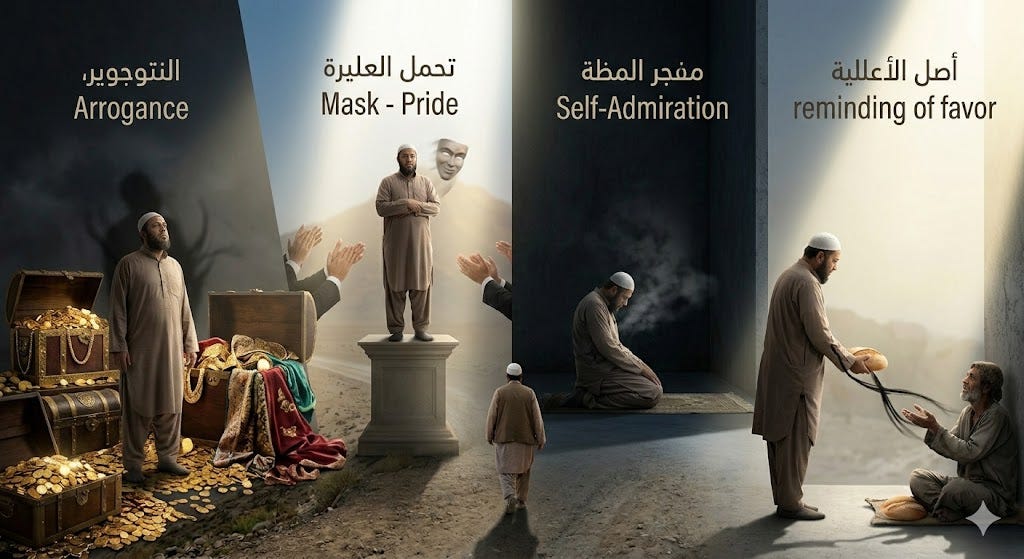
The supplication then addresses specific obstacles that prevent us from fulfilling our divine purpose, offering a nuanced understanding of how blessings can become trials:
Material Wealth and Sustenance
“Enrich me and expand my sustenance, but do not try me with arrogance”. While we need material sustenance to survive and serve, excessive wealth can lead to heedlessness and arrogance. The prayer seeks sufficient provision without the spiritual corruption that often accompanies abundance.
Social Status and Honour
“Grant me honour but do not afflict me with pride”. Humans have a psychological need for respect and social standing, but this too can become a spiritual trap. The supplication seeks dignity without the pride that destroys spiritual progress.
Acts of Worship and Service
Even in worship itself, dangers lurk. “Make me worship You, but do not corrupt my worship with self-admiration”. The prayer recognises that even sincere worship can be corrupted by self-satisfaction and conceit.
Similarly, when serving others: “Let good flow to people through my hands but do not nullify it with reminders of favour”. The Quran warns against this explicitly:
“Do not invalidate your charities with reminders and injury”
— The Holy Quran, Surah al-Baqarah, Chapter 2, The Cow, Verse 264
The Ultimate Test: Pride in Virtue

The most subtle danger comes at the highest level of spiritual achievement. “Grant me noble character but protect me from pride”. One might overcome material attachment, serve selflessly, and worship sincerely, yet still fall prey to pride in one’s moral excellence. This final trap - taking pride in one’s virtues - can destroy all spiritual progress.
The Divine Solution: Simultaneous Elevation and Humility

The prayer offers a remarkable solution to these challenges through two profound requests:
Do not raise me a single degree among people without lowering me an equal degree within myself (ولا ترفعني في الناس درجة الا حططتني عند نفسي مثلها)
— Dua Makarim al-Akhlaq
Do not create for me external honor without creating for me internal humiliation in equal measure (ولا تحدث لي عزا ظاهرا الا احدثت لي ذلة باطنة عند نفسي بقدرها)
— Dua Makarim al-Akhlaq
This represents the antidote to spiritual pride: as one advances in knowledge, status, or virtue, one simultaneously becomes more aware of one’s limitations and dependence on divine grace. True scholars become more aware of their ignorance as their knowledge increases, just as climbing a mountain reveals ever more peaks beyond.
The Nature of True Humility
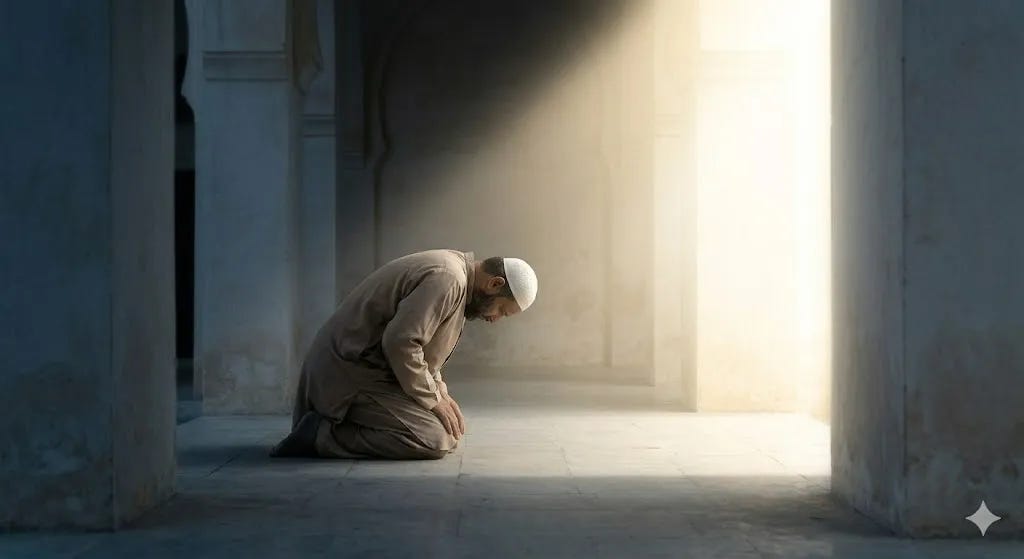
The discourse distinguishes between superficial humility - mere gestures and words - and genuine humility that resides in the heart. True humility (tawadu’) is not performing acts of self-abasement but genuinely seeing oneself as small before the Divine. This can only be achieved through divine grace, as the human ego naturally inclines toward pride with the slightest achievement.
This explains why the greatest servants of Allah, such as Imam Ali (عليه السلام) in Dua Kumayl and Imam Sajjad (عليه السلام) in Dua Abi Hamza, saw themselves as the most needy and sinful of creation. Their proximity to the Divine made them acutely aware of their inherent limitations and absolute dependence on divine mercy.
Conclusion: The Path to Spiritual Excellence

Dua Makarim al-Akhlaq presents a comprehensive spiritual program that addresses both the external obstacles and internal challenges on the path to divine proximity. It teaches us that every blessing - whether material wealth, social status, or even spiritual achievement - carries within it the seed of potential spiritual destruction. Only through constant divine assistance and the cultivation of genuine humility can we navigate these challenges successfully.
The prayer’s wisdom lies in its recognition that human perfection is not achieved through ascetic withdrawal from the world but through engaging with worldly necessities while maintaining spiritual focus. It seeks not the elimination of blessings but their sanctification through divine grace. Ultimately, it shows us that the highest form of worship is to live fully in the world while remaining entirely devoted to our divine purpose, protected from the subtle corruptions that accompany every form of success.